MENTAL FRANCE
INTRO
Lost and found: a woven documentation.
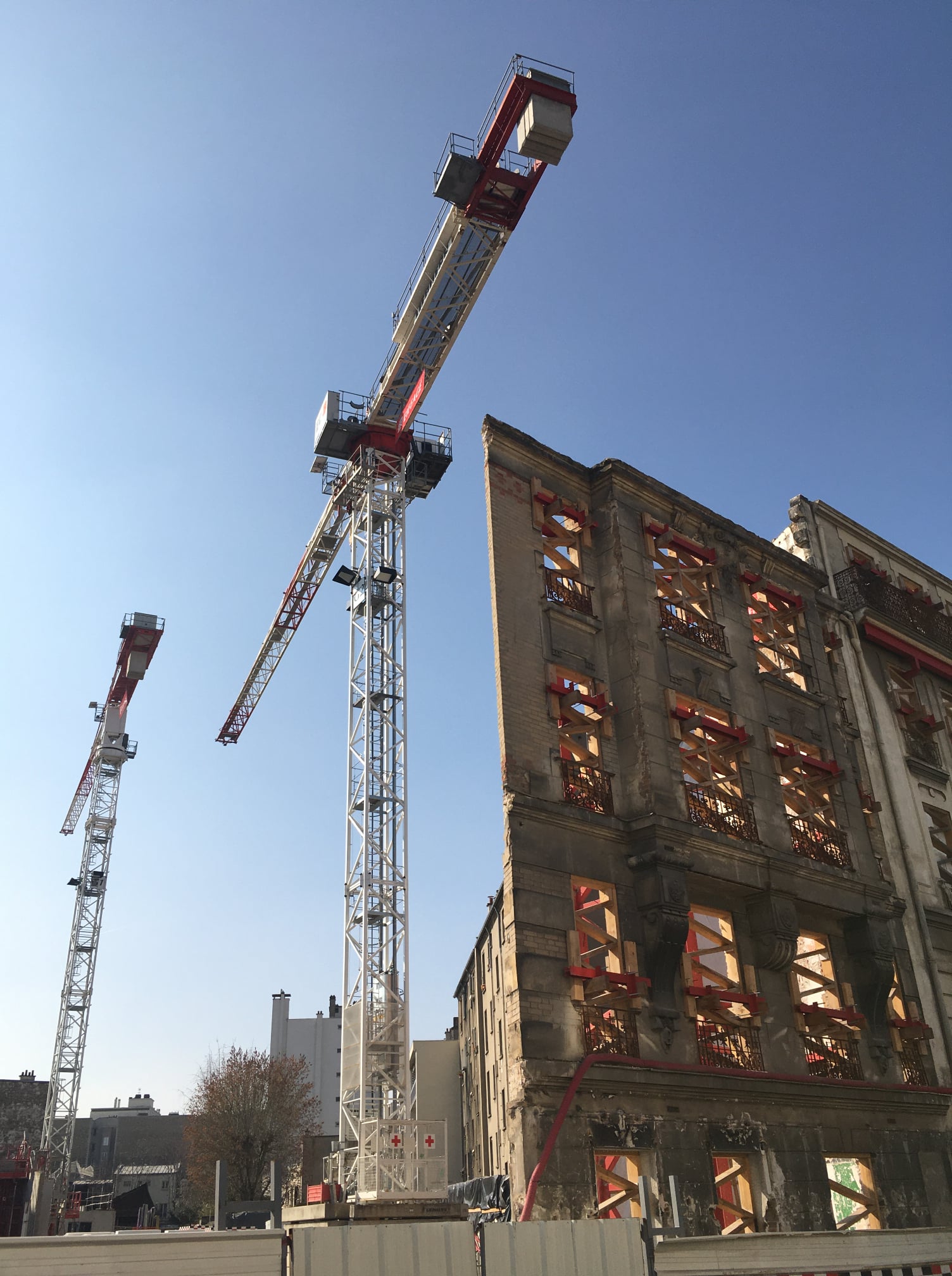
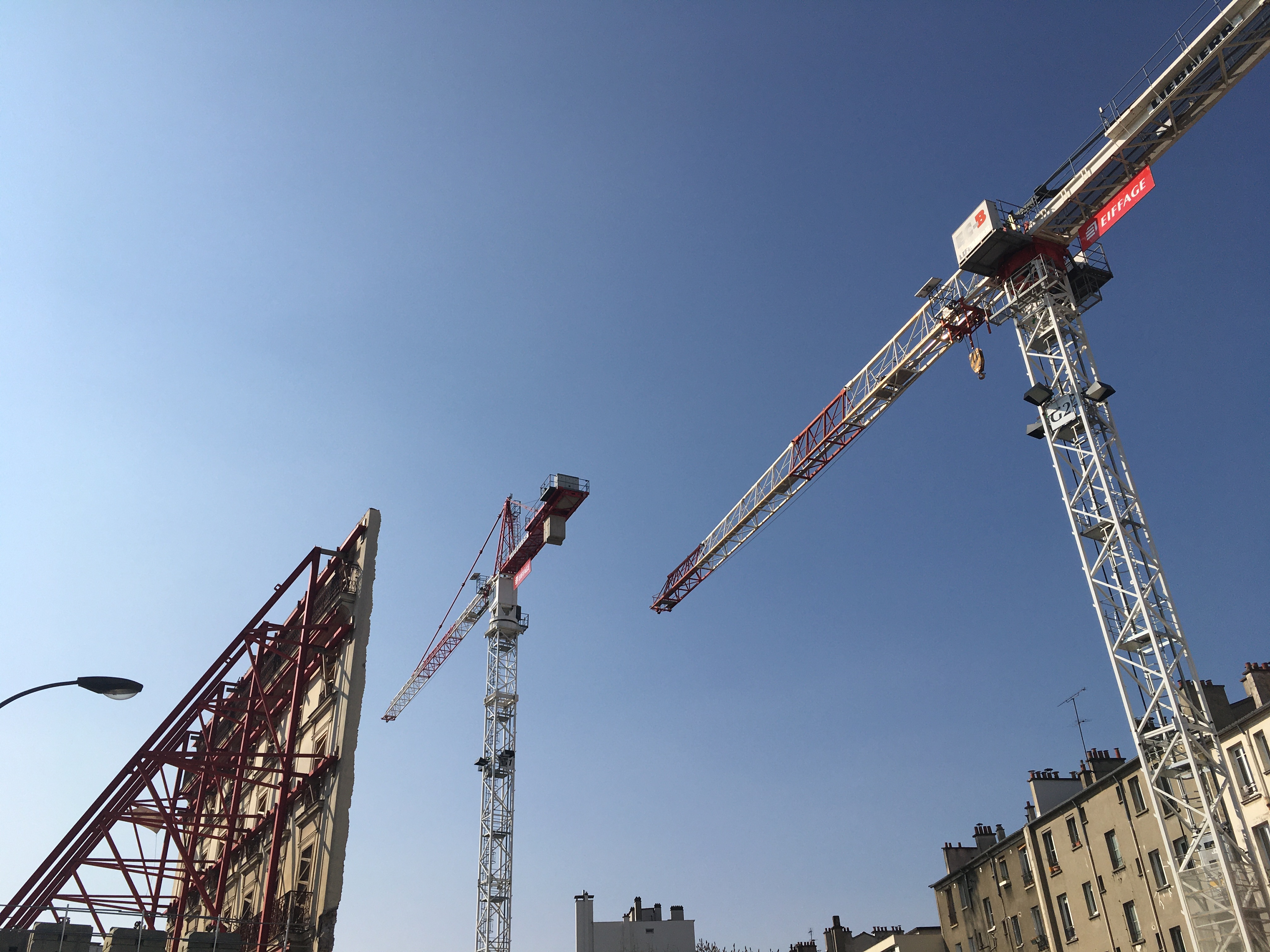
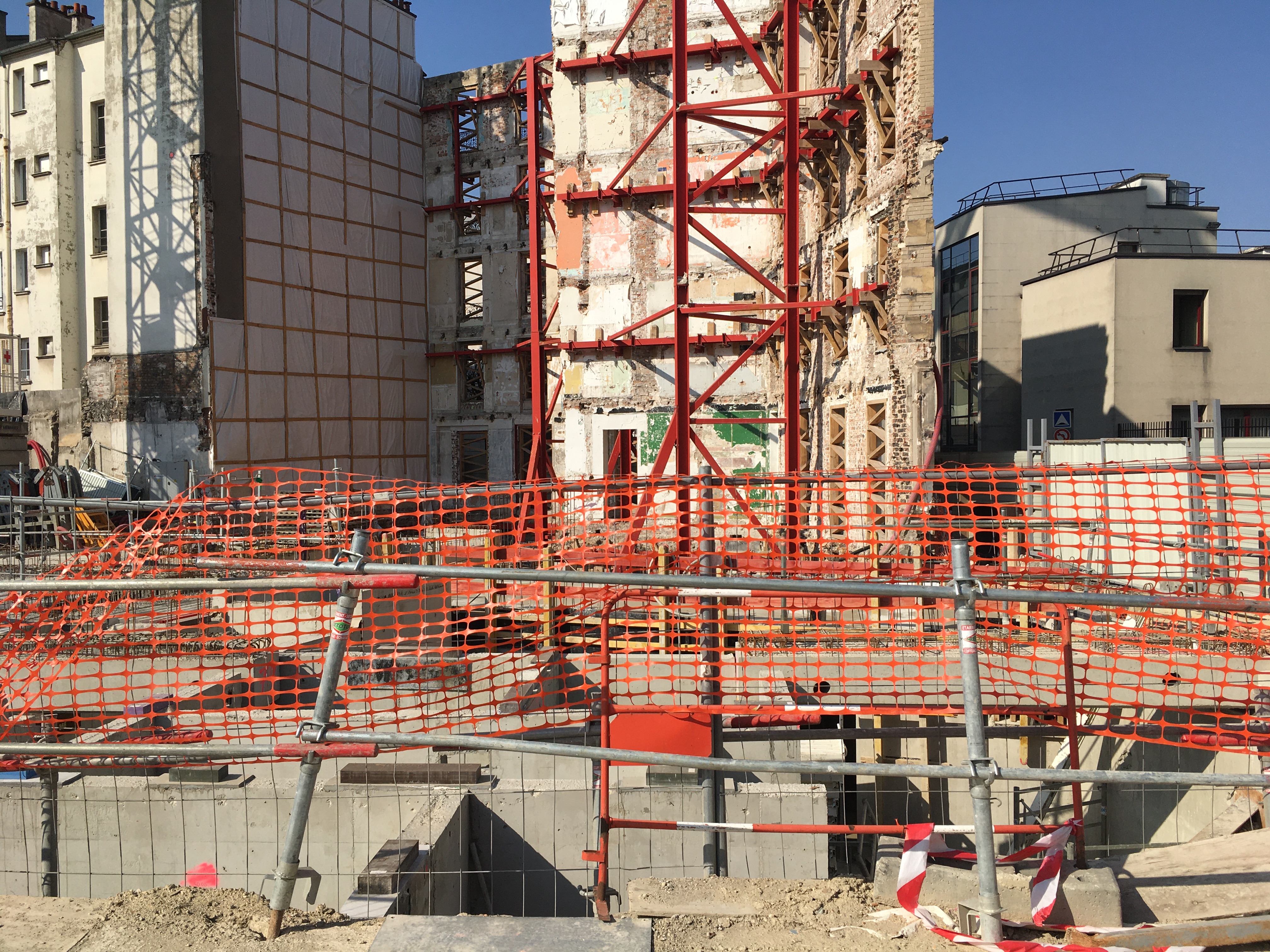
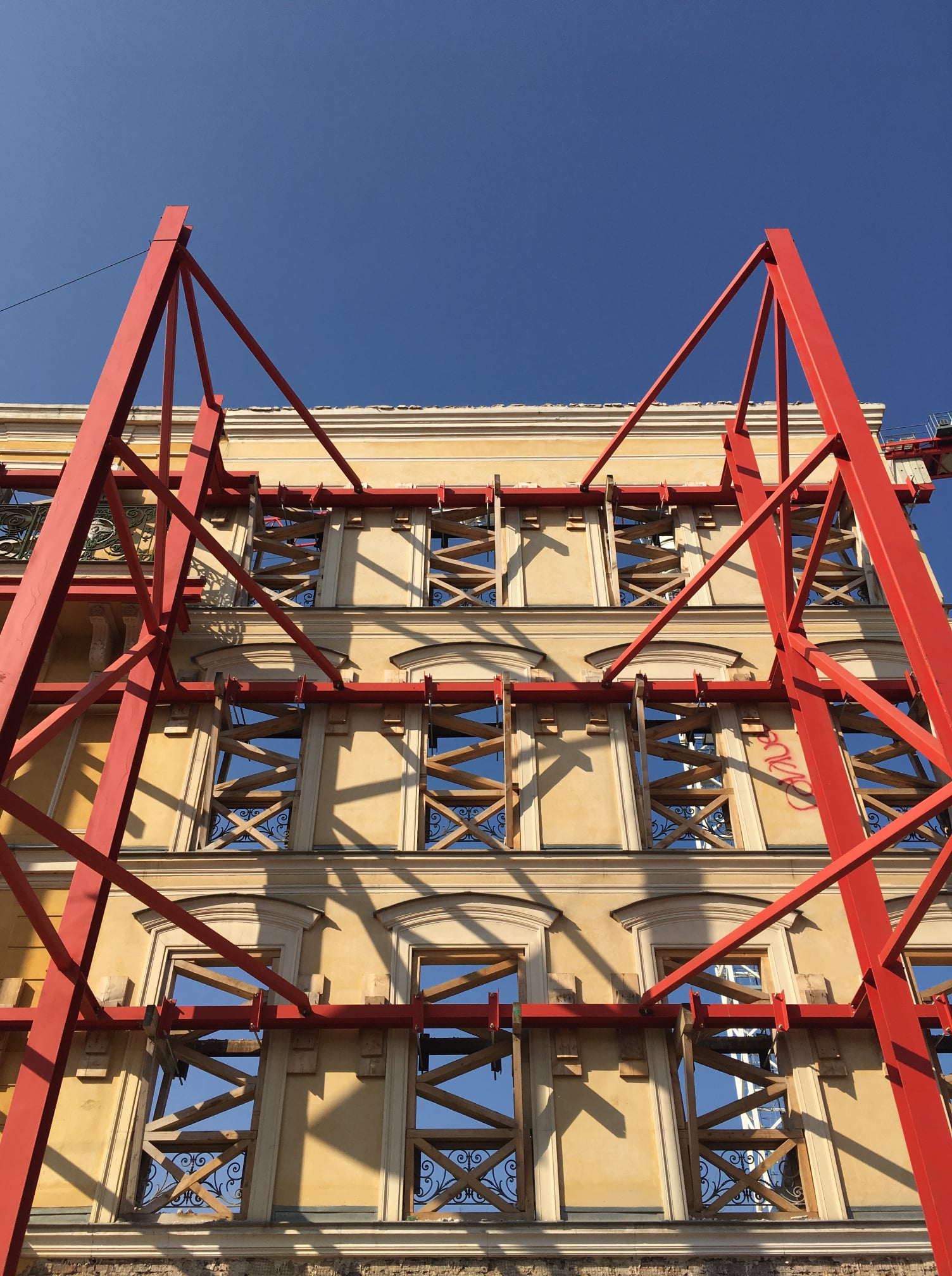
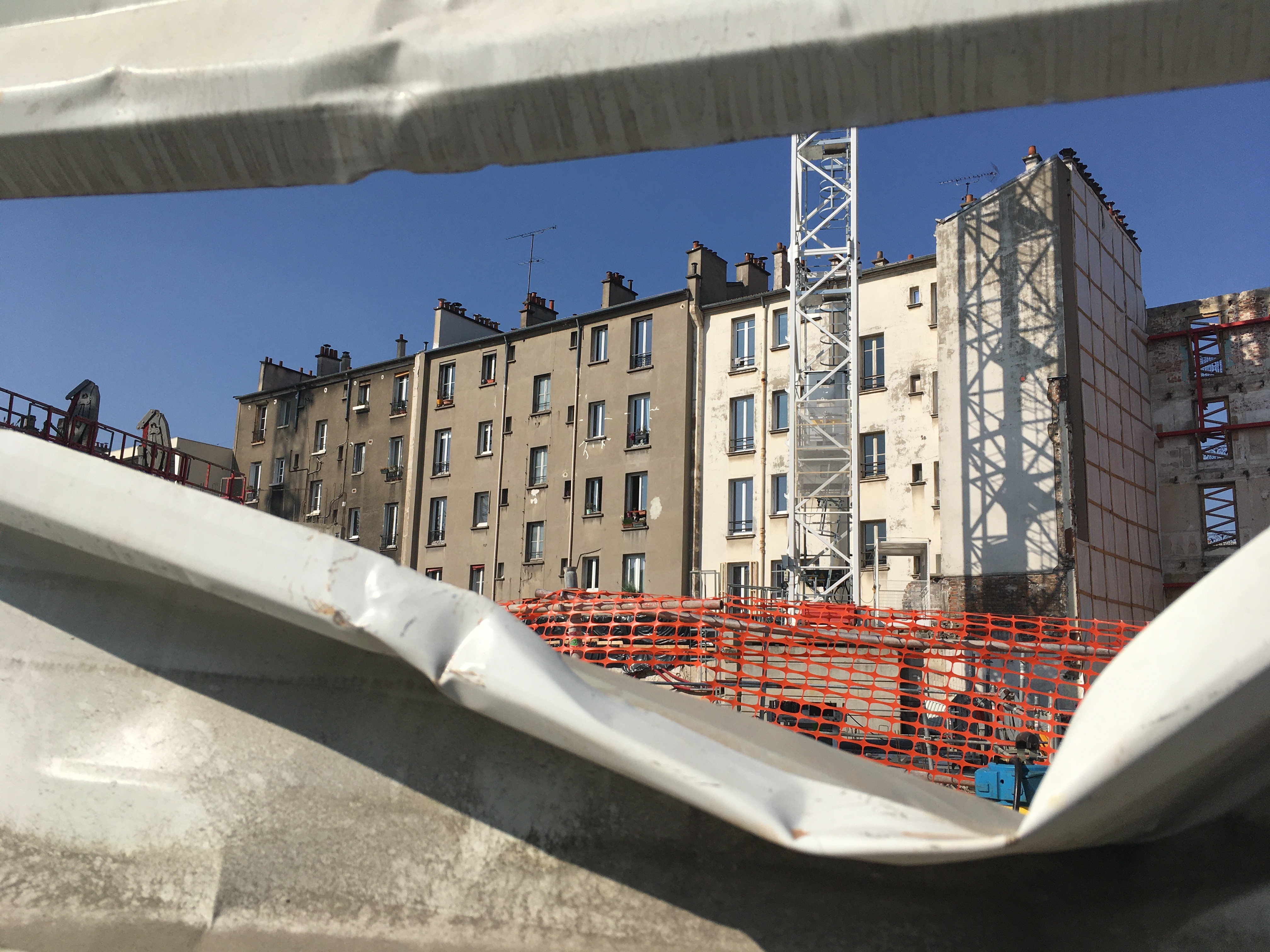
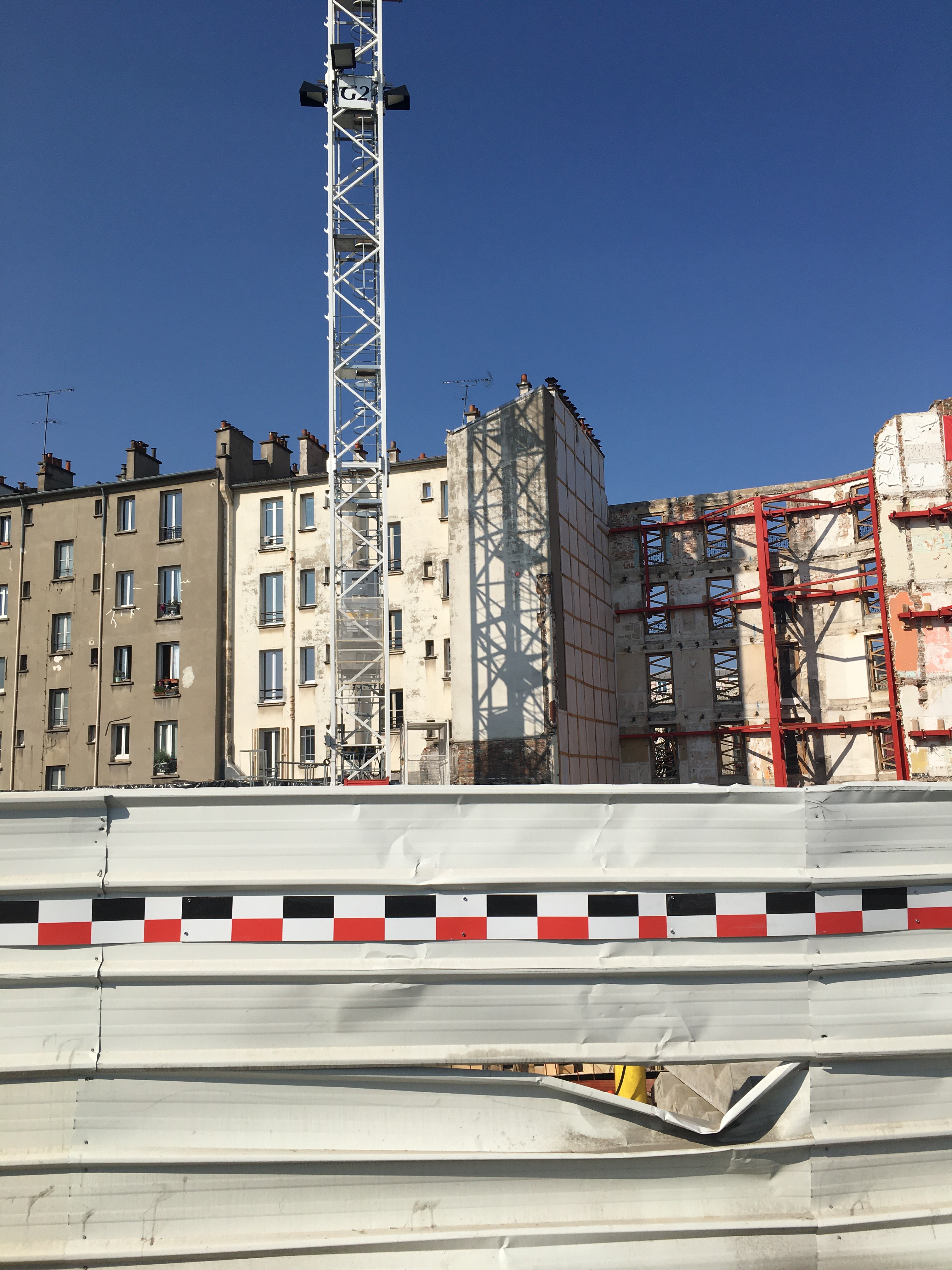
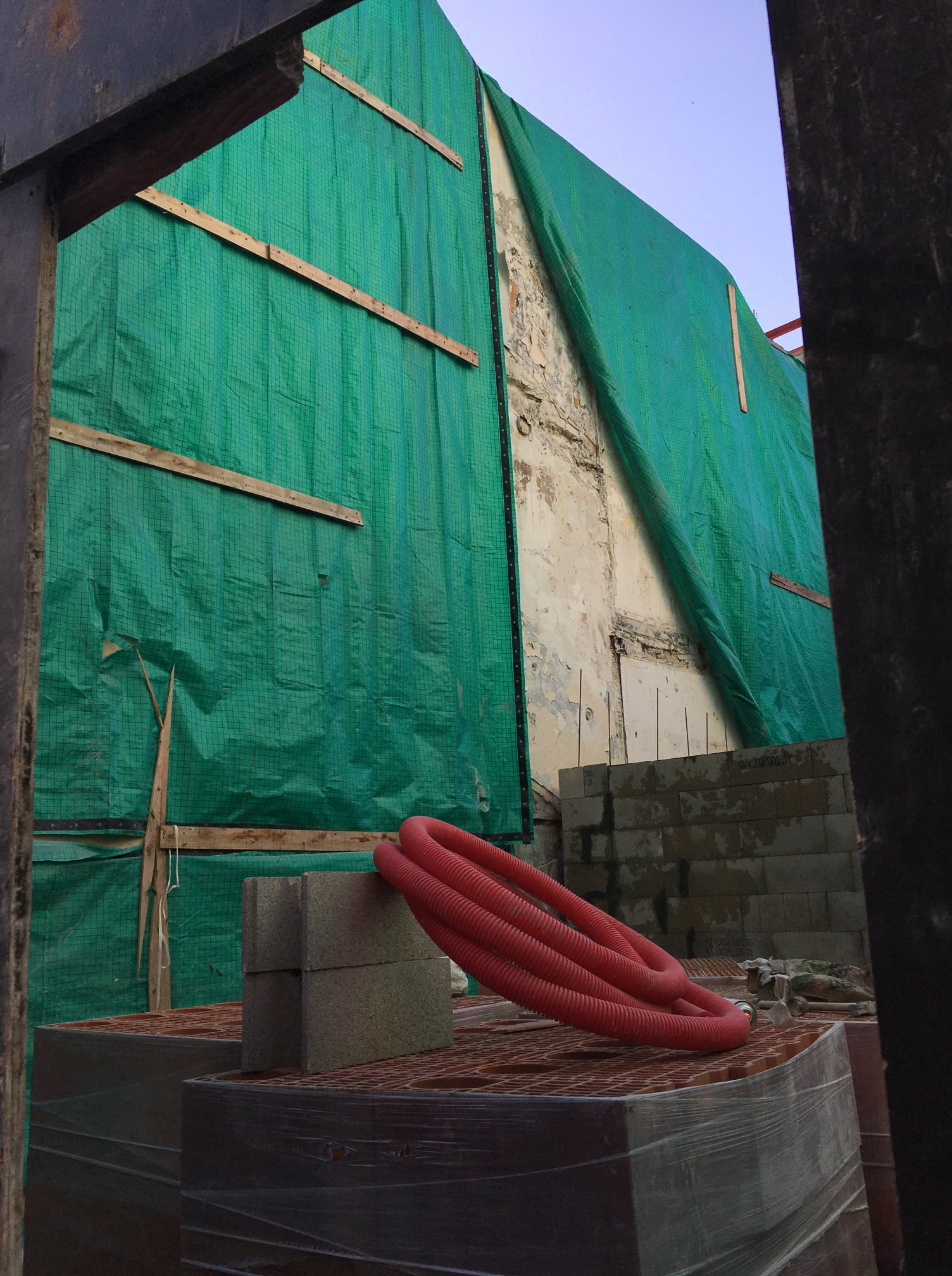
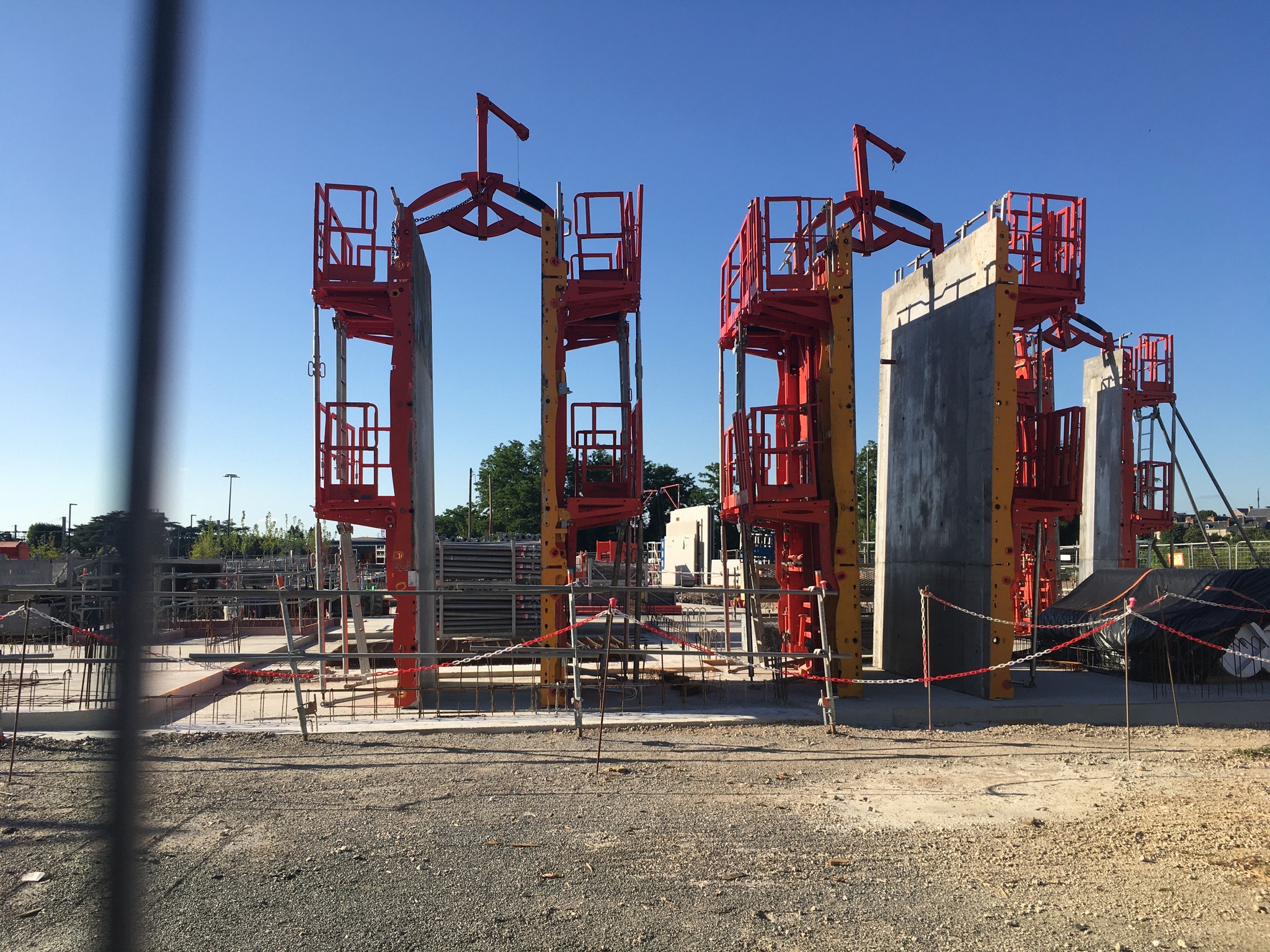
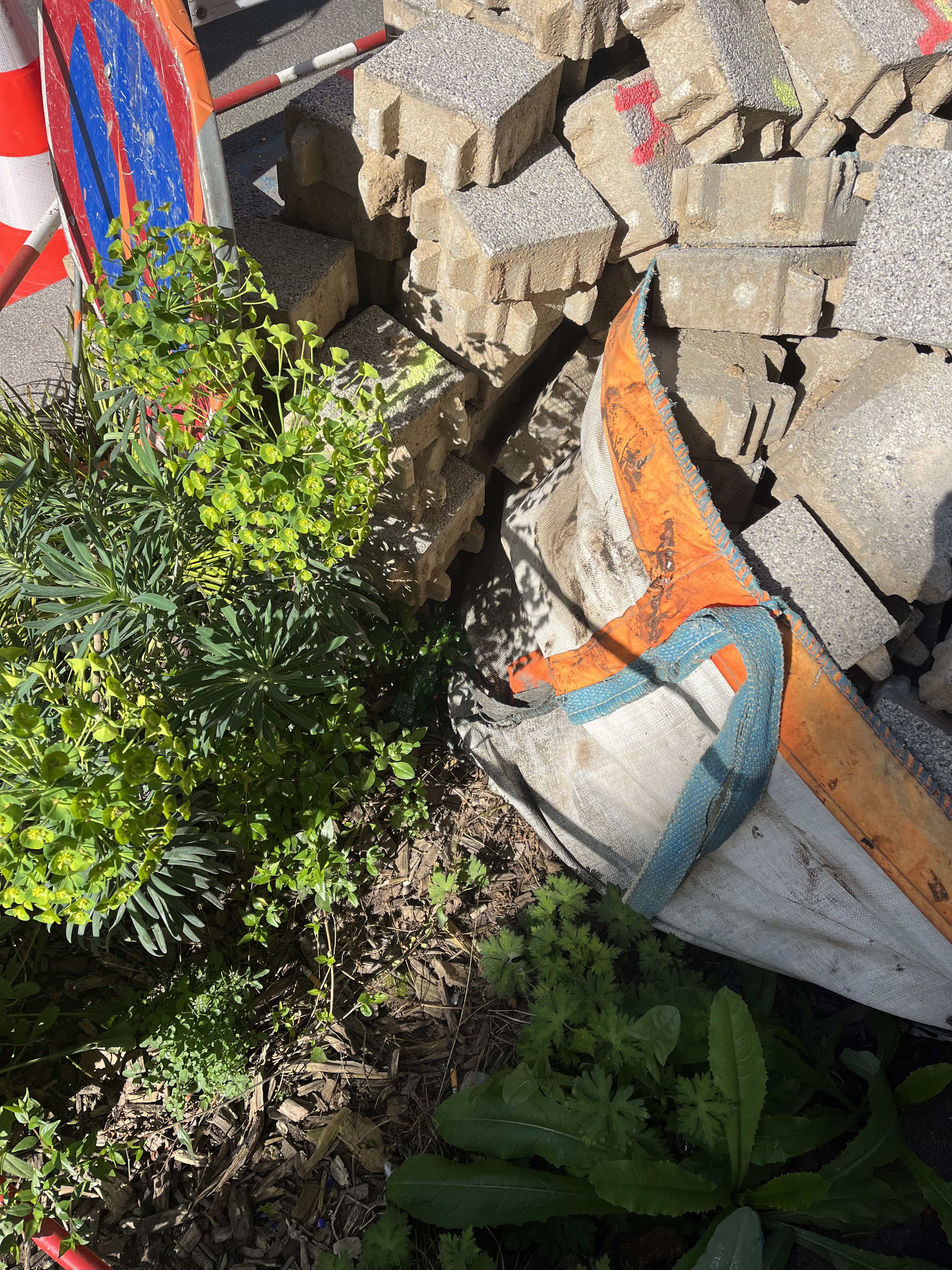
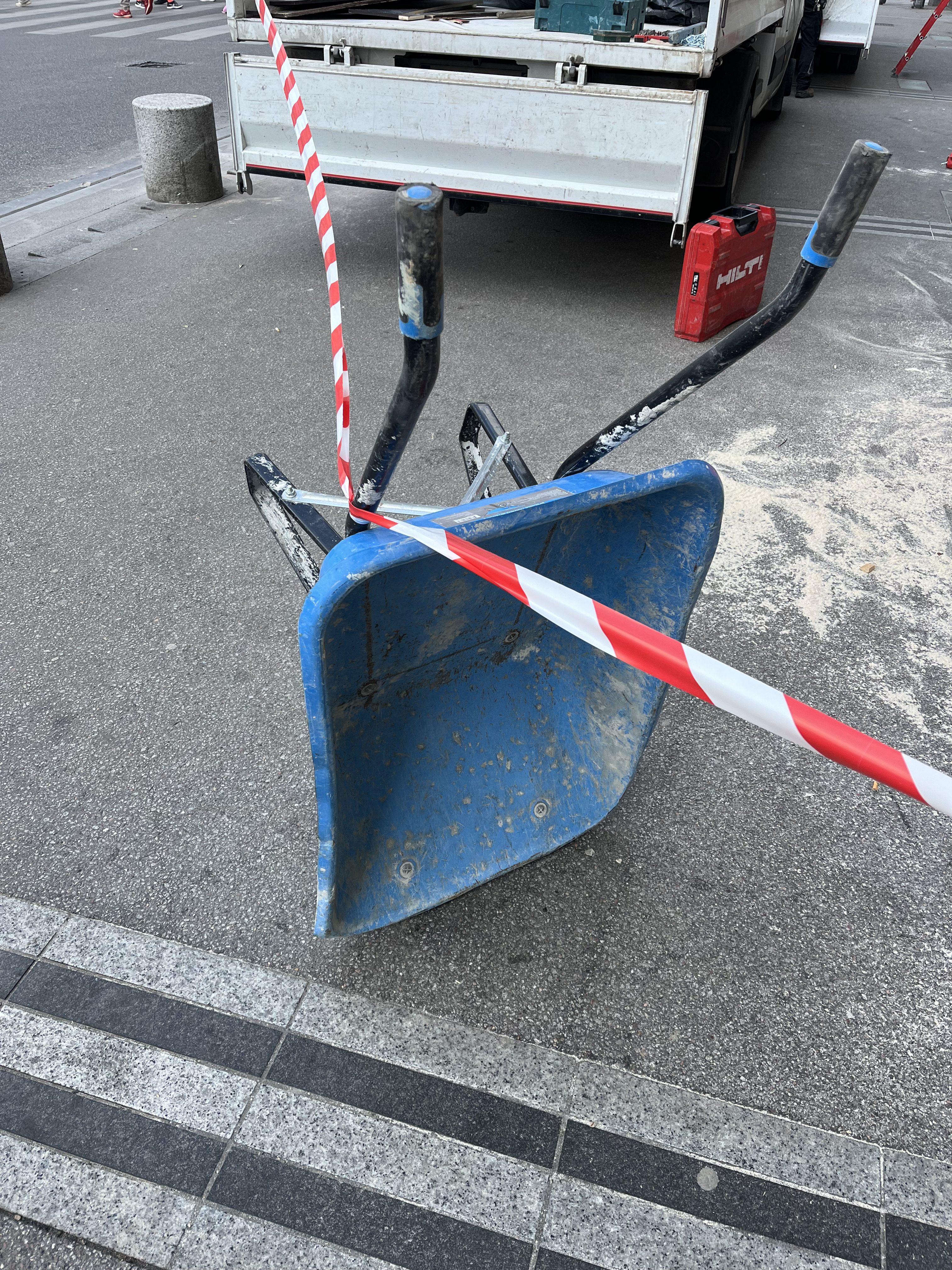
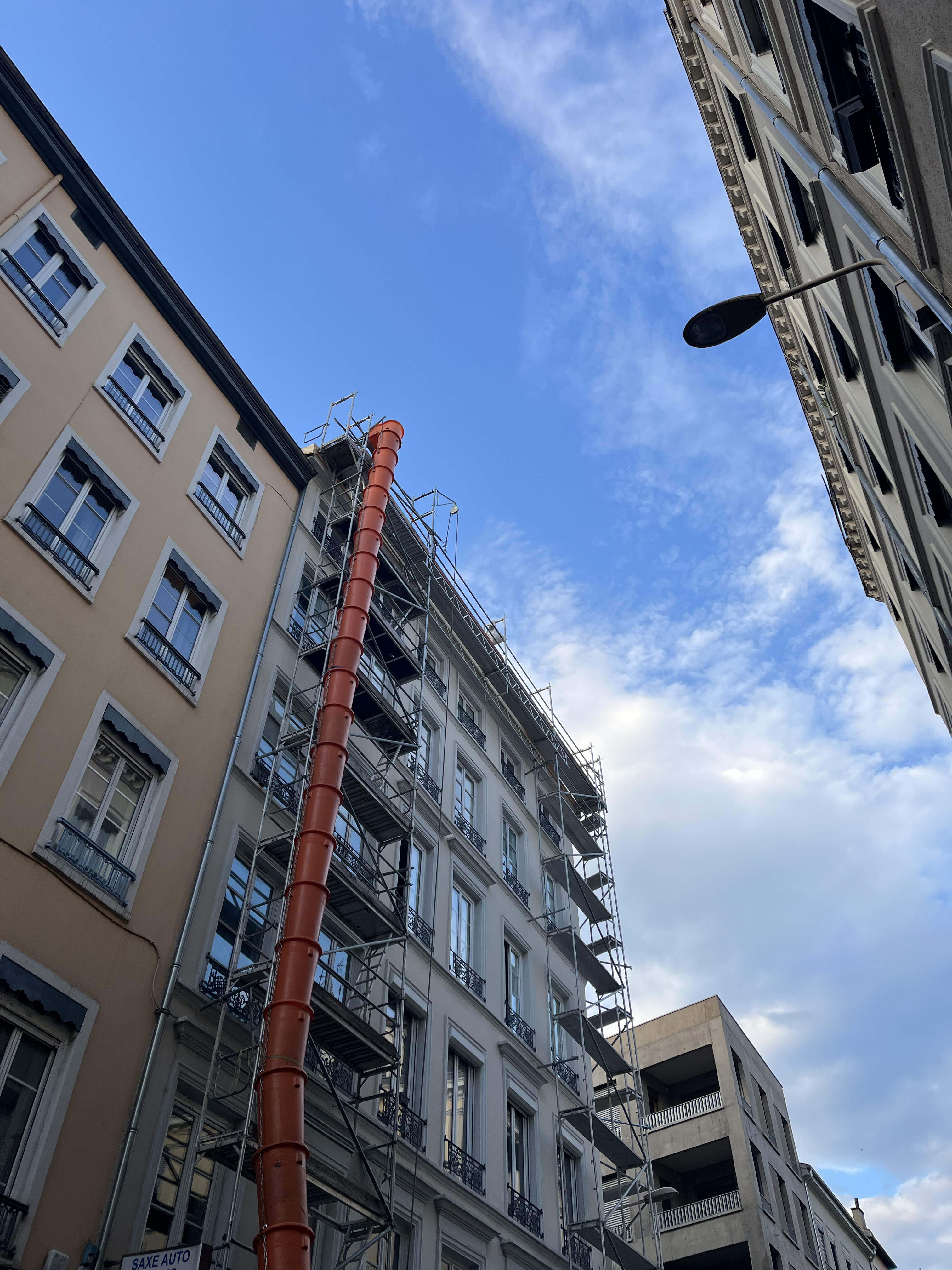
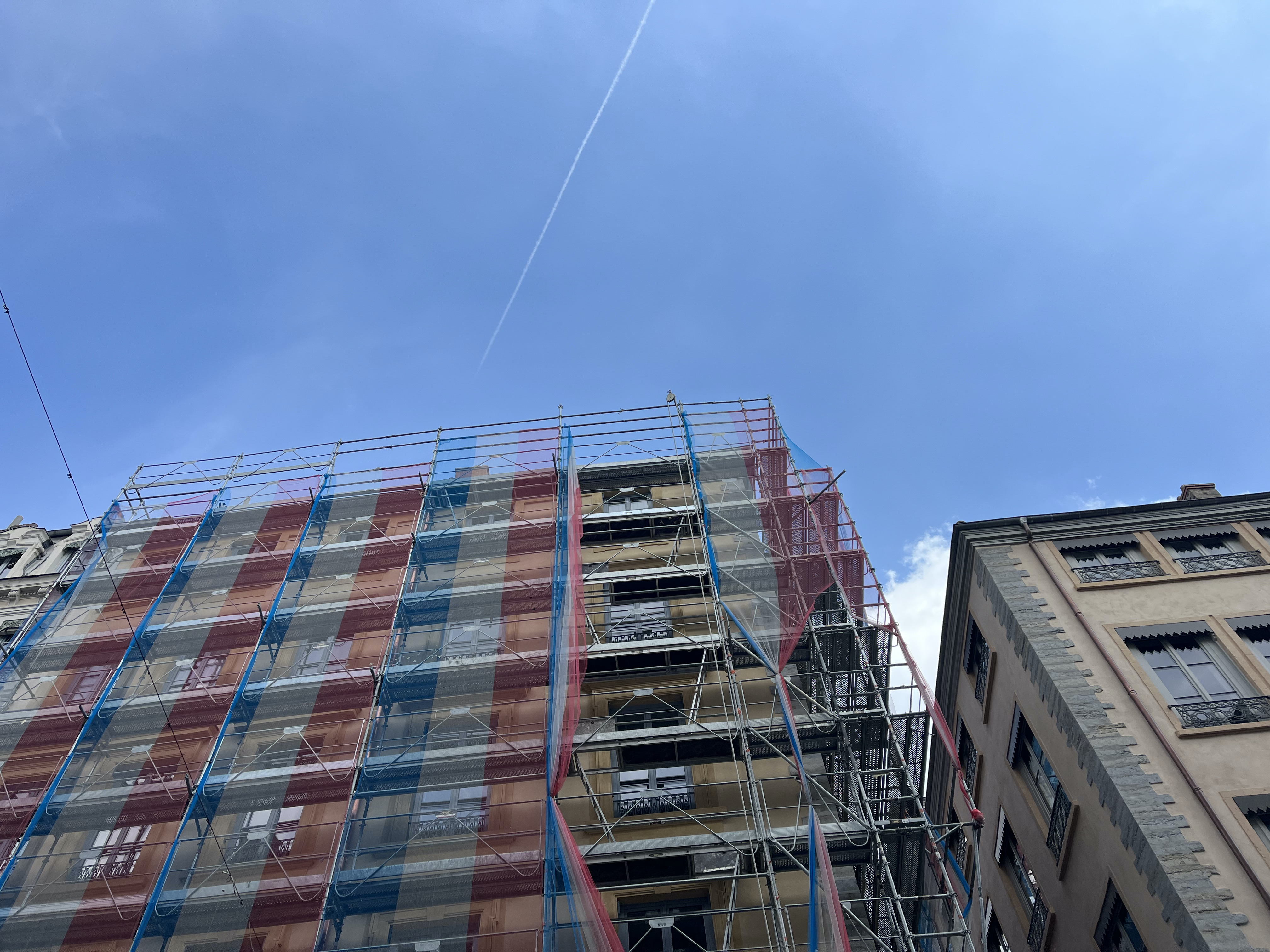
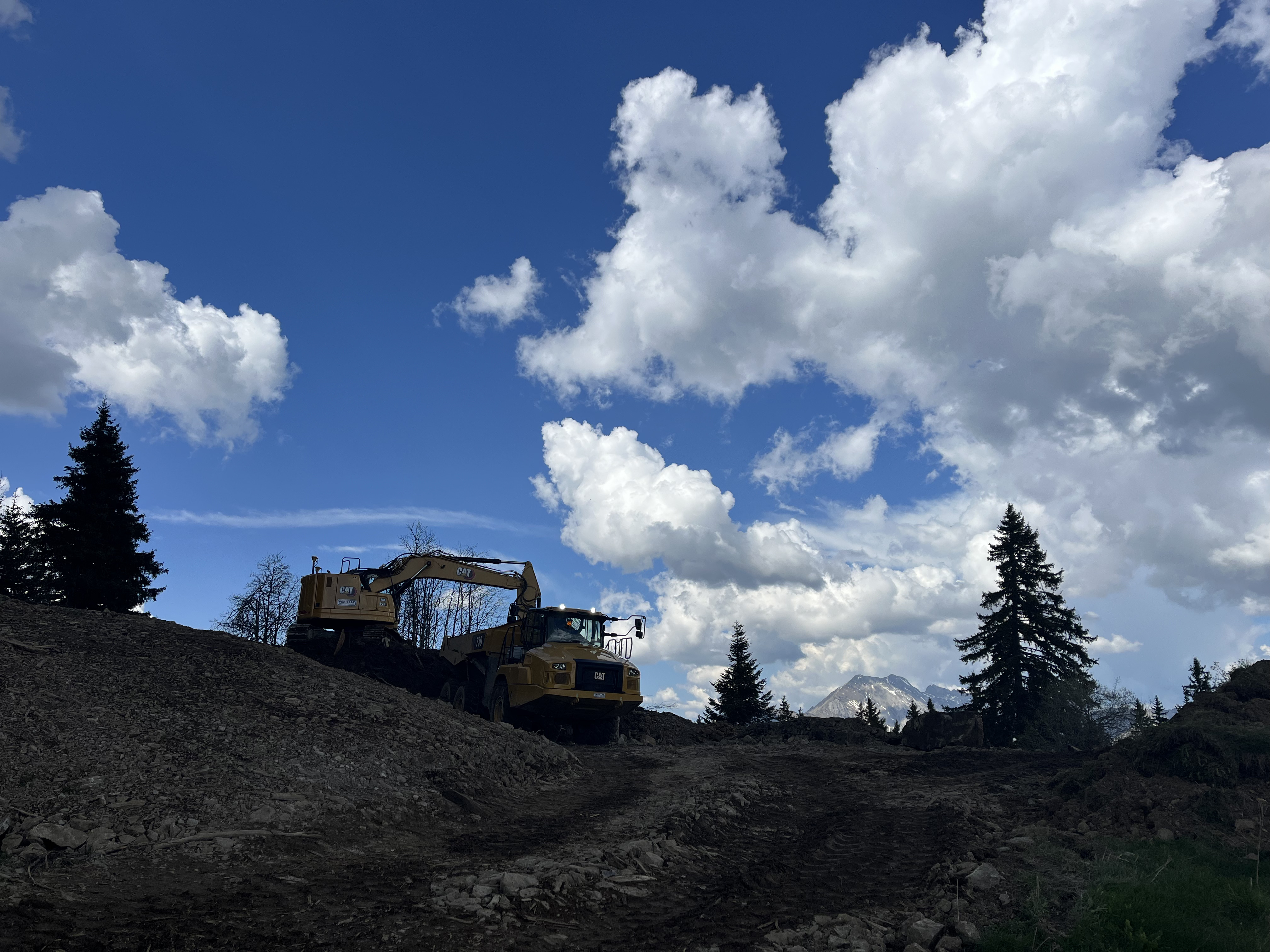
We were back from the park, where she had meant to abandon me. I screamed, “Mom!!” but she wouldn’t turn back to me. She was angry. I was desperate. On the way home, through my tears, I saw a huge construction site.
These pictures always remind me of the darkest time I have been through.
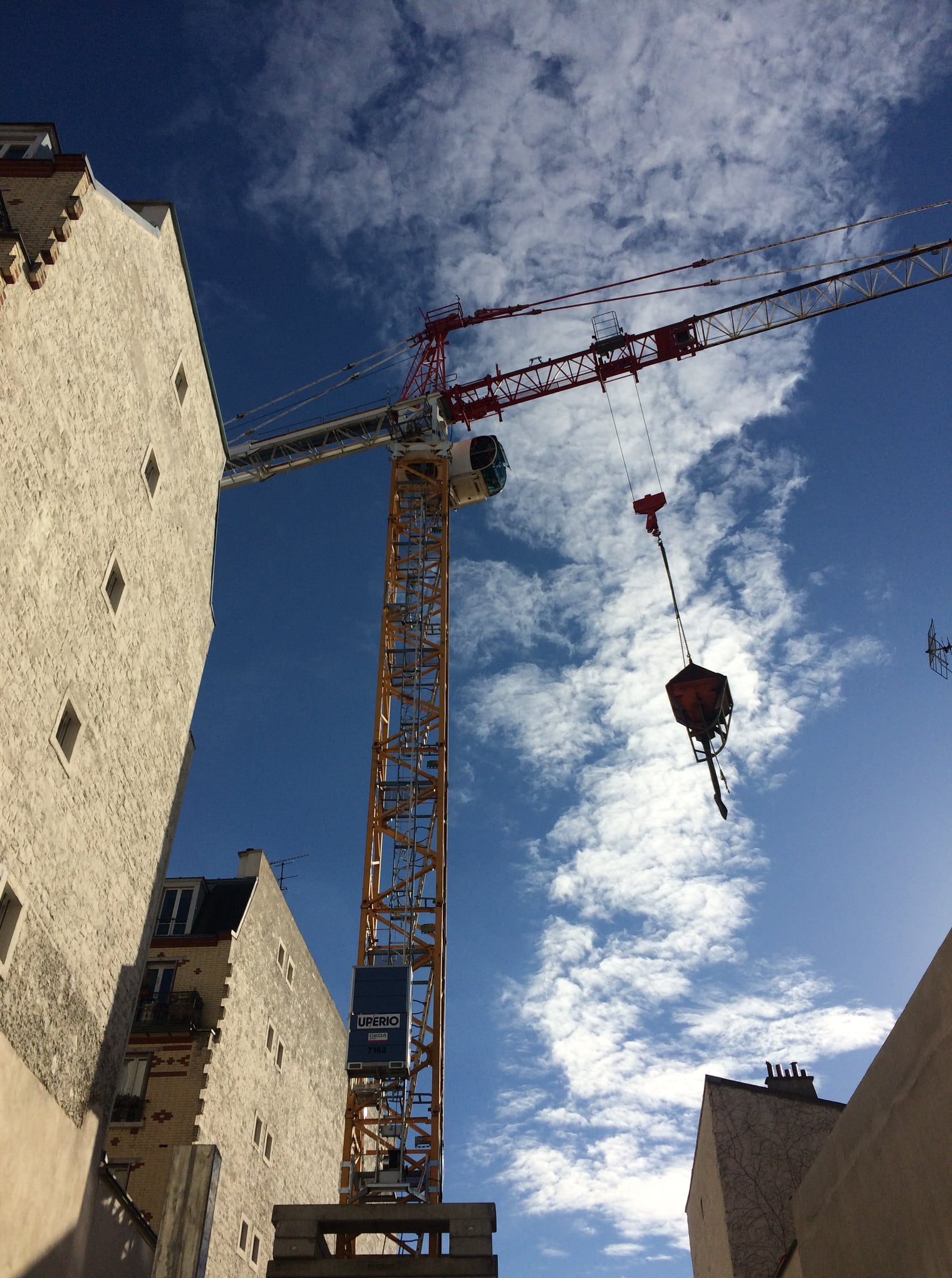
CRANES ARE MY LOVE LANGUAGE
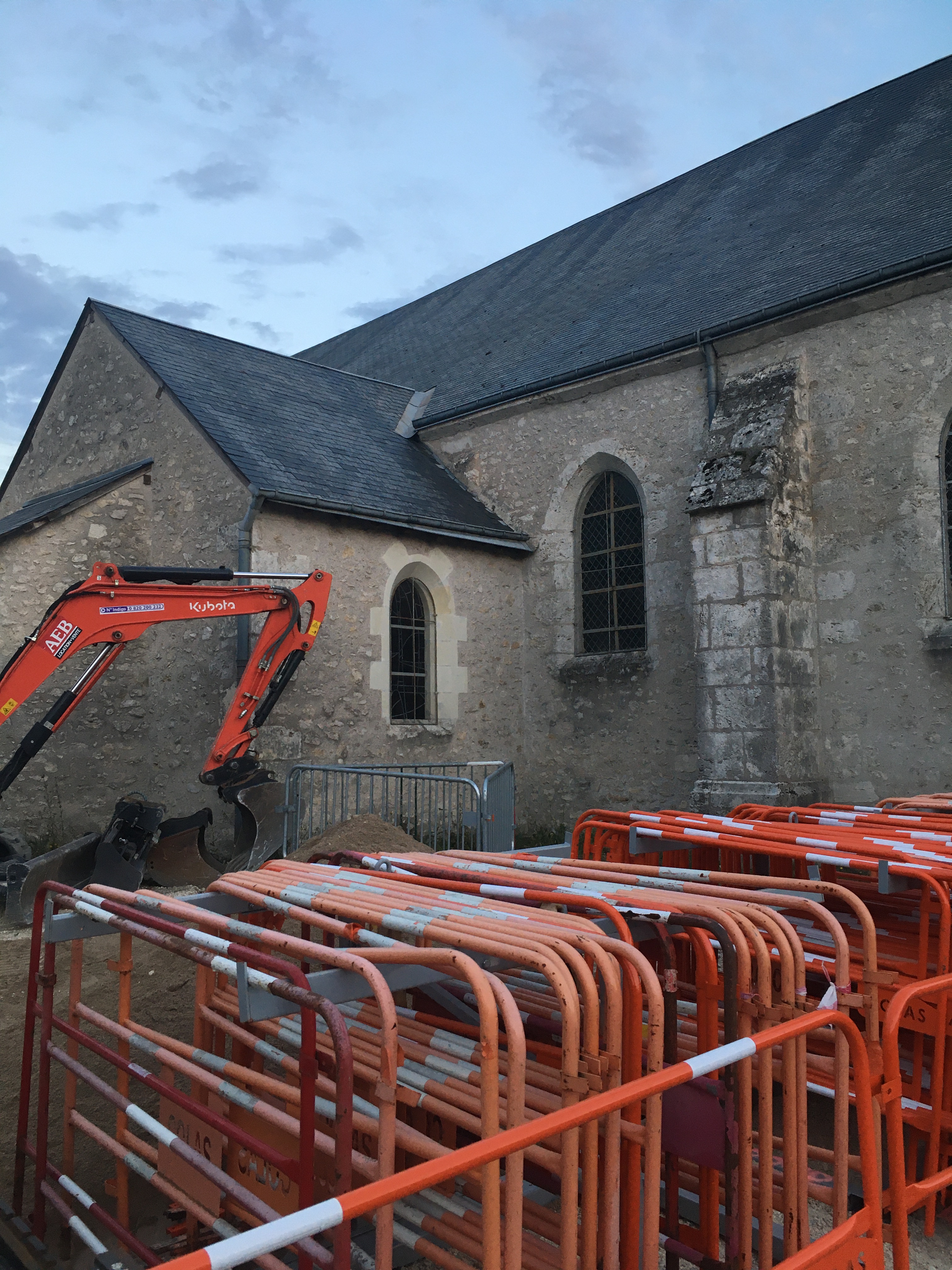
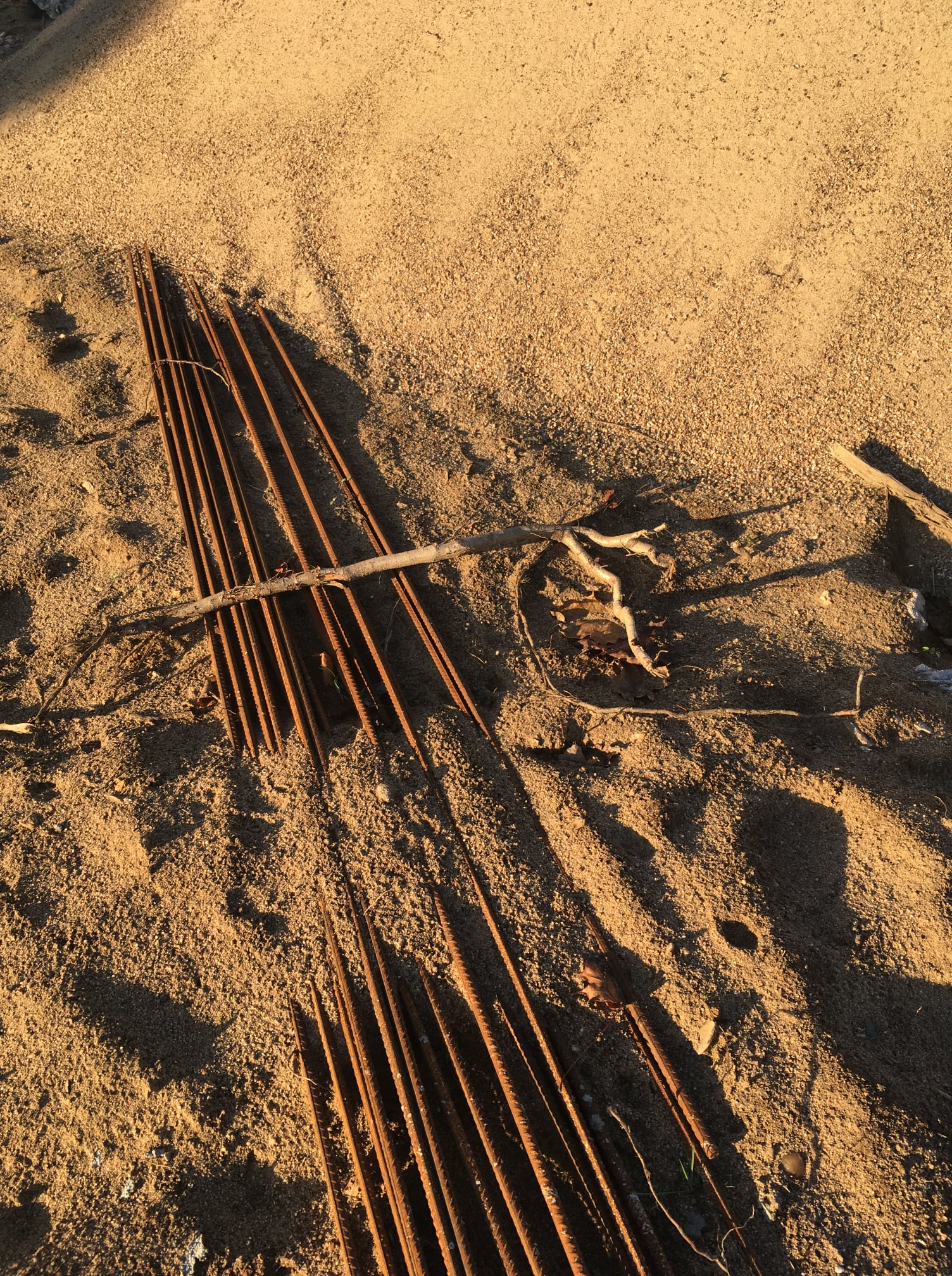
Réduire les marges. Il parait que ça aide pour écrire. Commencer doucement. Petit format. Échapper ainsi à l’immensité de la tâche, la rendre plus accessible, moins intimidante. Avancer un peu chaque jour. Patience. Écrire avec envie, avoir la faim d’écrire, mais commencer petit, une ligne parfois, un mot. Se mettre au travail, se forcer un peu. Marcher, accueillir les phrases qui se bousculent enfin au rythme de mes pas. Prendre des notes. Vite, il ne faut pas que ça s’échappe, il ne faut pas que j’y échappe. Oui, je suis en fuite. Jusqu’à présent, écrire est une démission. C’est me surprendre à explorer des pistes auxquelles je n’avais pas pensé. C’est l’illusion confortable que cet inattendu peut suffire, pour le moment. Me soustraire au cœur douloureux du projet. Me dire que l’immuabilité de ta mort peut bien attendre quelques jours encore. Courir après cette mort, vouloir m’y blottir – la rejeter pourtant. Cela fait des mois que je lui tourne autour. Elle m’accompagne, elle me rassure. Vouloir la côtoyer encore au fil des phrases et des pages me donne une raison de vivre. Oui, ta mort me donne une raison de vivre. Alors réduire les marges. Pas des lignes, non. Des cercles. Faire durer le plaisir.
Last Autumn, I went camping in Brandenburg with Gala. The morning we were supposed to head back to Berlin, the staff woke us up earlier than expected. Their faces were tense, their expressions serious. “Someone passed away.”
For some reason, it wasn’t an ambulance that came, but a hearse. It felt strange, as if everything had already been arranged, despite the suddenness of the death. Two funeral home employees stepped out of the vehicle, pulling out a wooden coffin on wheels. I couldn’t help but steal a glance, completely stunned. I caught a glimpse of synthetic fabric, gaudy frills. Gala told me not to look, that she’d tell me when it was over. I couldn’t stop crying.
When you died, they took you away in a plastic body bag. The funeral workers asked us to leave the room while they handled everything. So, we sat in silence around the kitchen table. I was on mom’s lap, near the door. From the next room, we could hear the zipper closing. My mother leaned in and whispered, “Good thing Grandma doesn’t hear very well.”
~
That day at the campsite, I found myself in the intimate grief of a stranger. Despite Gala’s insistence that I pack up the tent, I couldn’t look away. The hearse had gone. Now came the moment to tidy up. Most campers had already left; a few families remained, keeping the children busy – canoe trip for everyone. The air was heavy with quiet respect.
As we paid at the reception and finished packing, the staff set aside the communal kitchen, preparing a breakfast table for the widow and her family. She was still on the phone, speaker on, pacing, sitting down, standing up again, adjusting her scarf while laying out the precise order of what would forever split her life into a before and an after.
I experienced such a moment too – the minutes that follow the dreaded confirmation. The sweeping eyes, the confusion, the birds still singing as if nothing had changed. The logistics – who to call first? Which clothes to prepare for the body? More coffee, anyone?
Maybe that’s what I had been missing all along. Not instructions, not a manual, but just an example. How do others navigate this? Through the fogged-up plexiglass windows, I watched them pour tea, comfort eachother… That day, I felt less alone. Something in me began to heal.
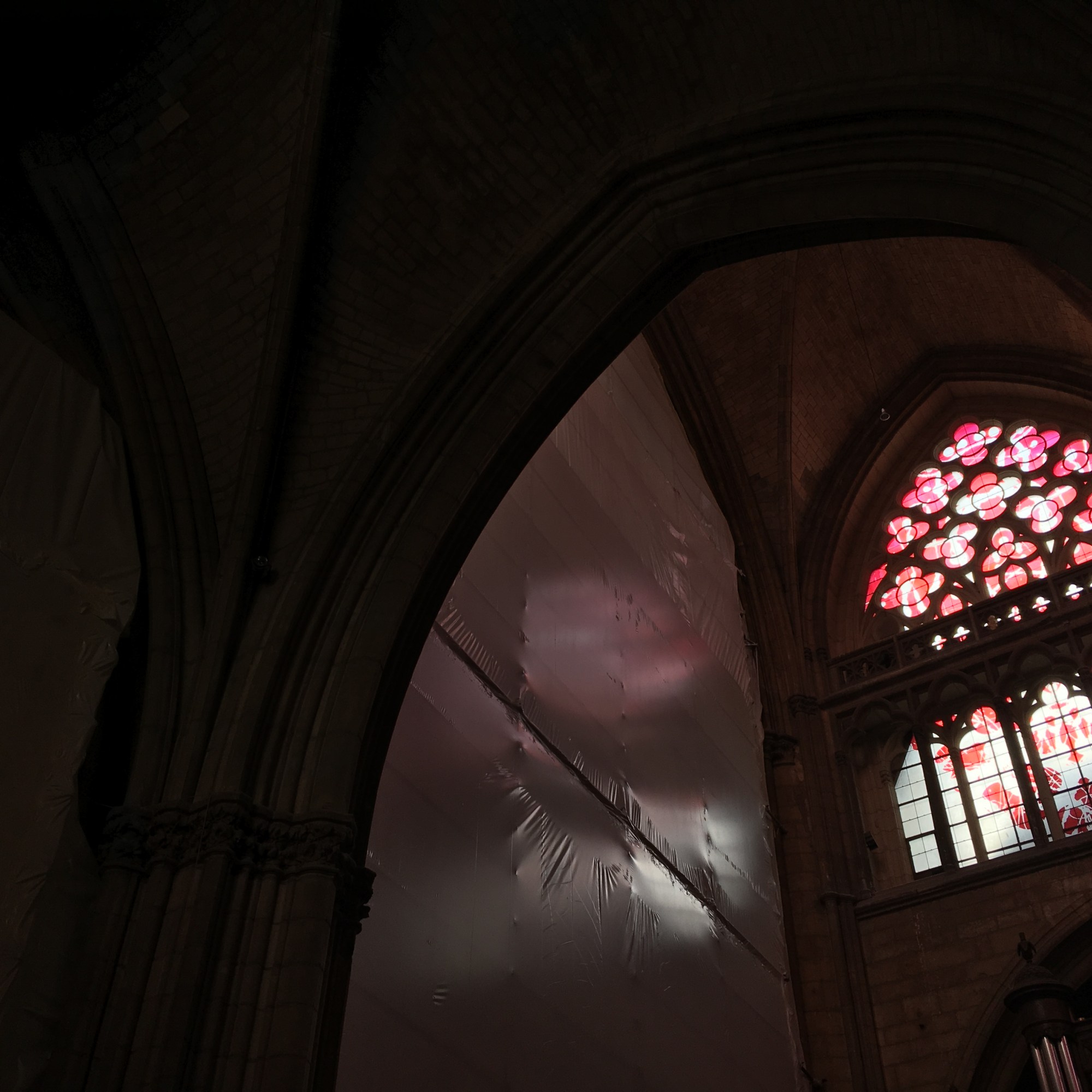
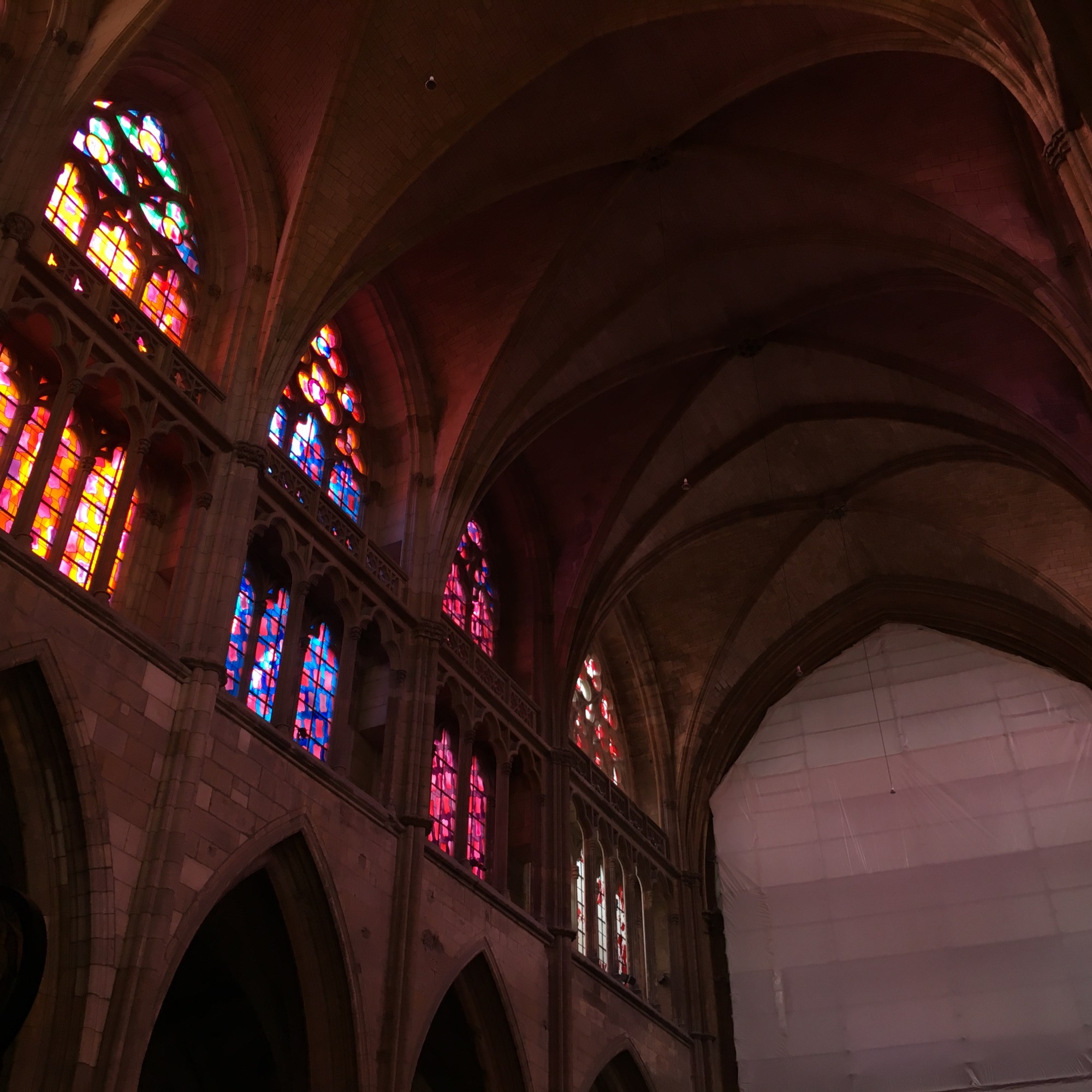
“CAR NOUS SOMMES OUVRIERS DE (…)”
La Bible
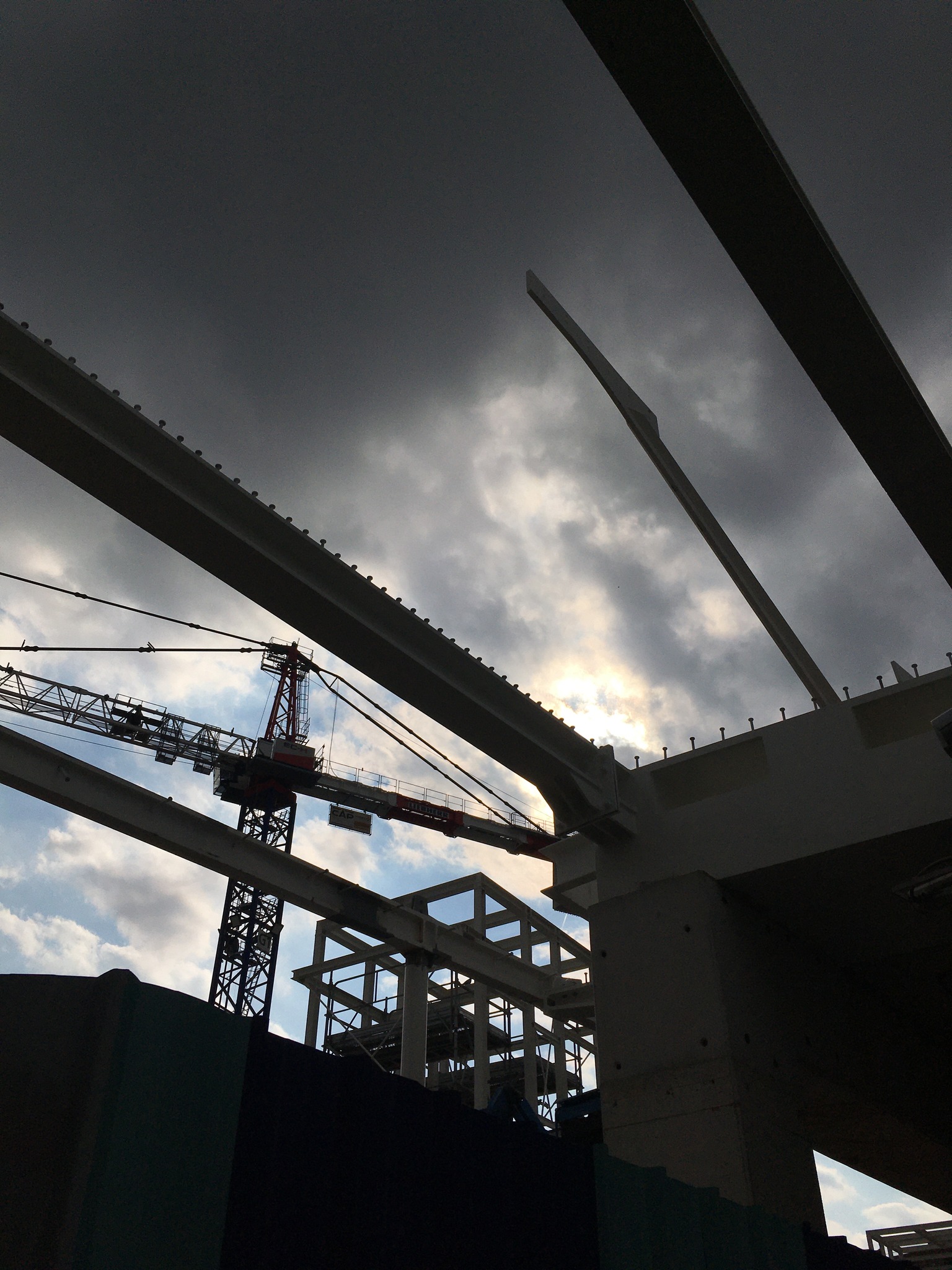
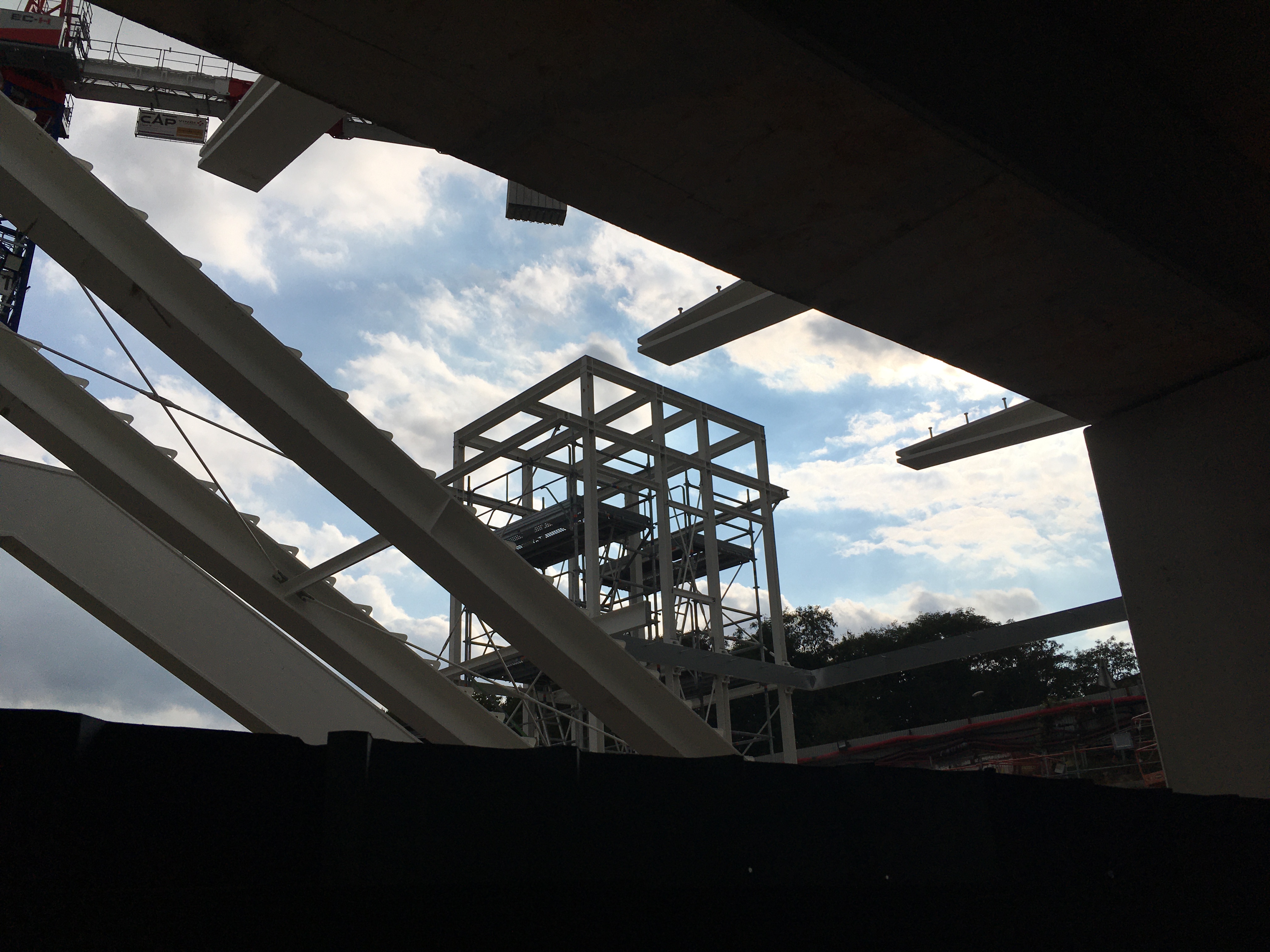
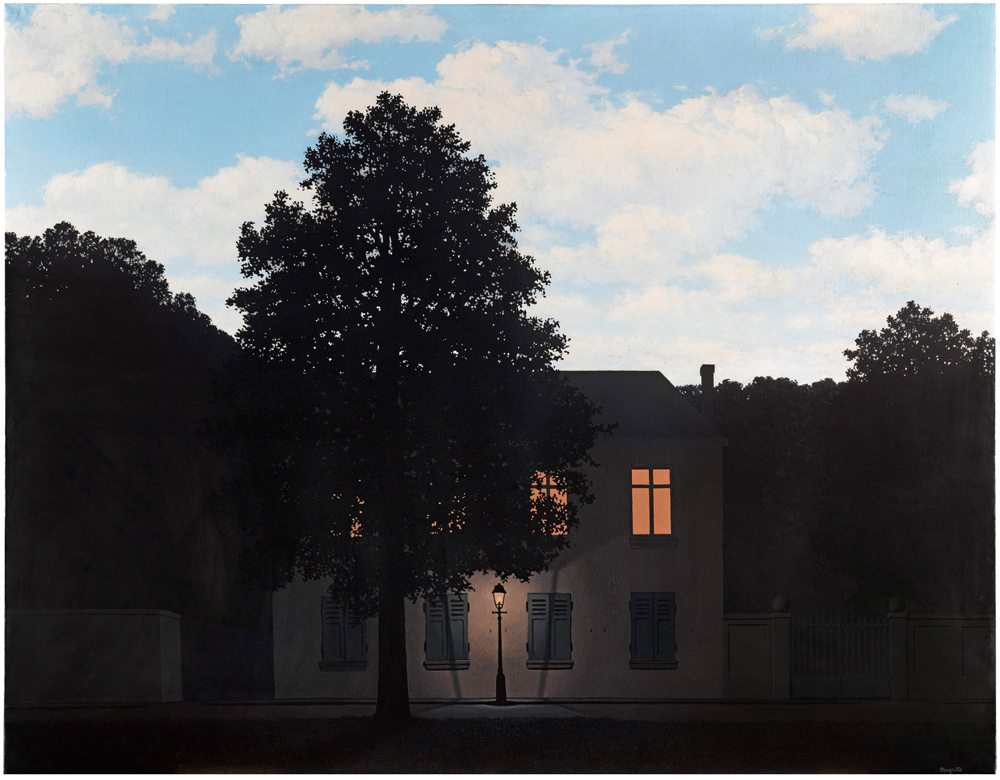
MENTAL MAGRITTE
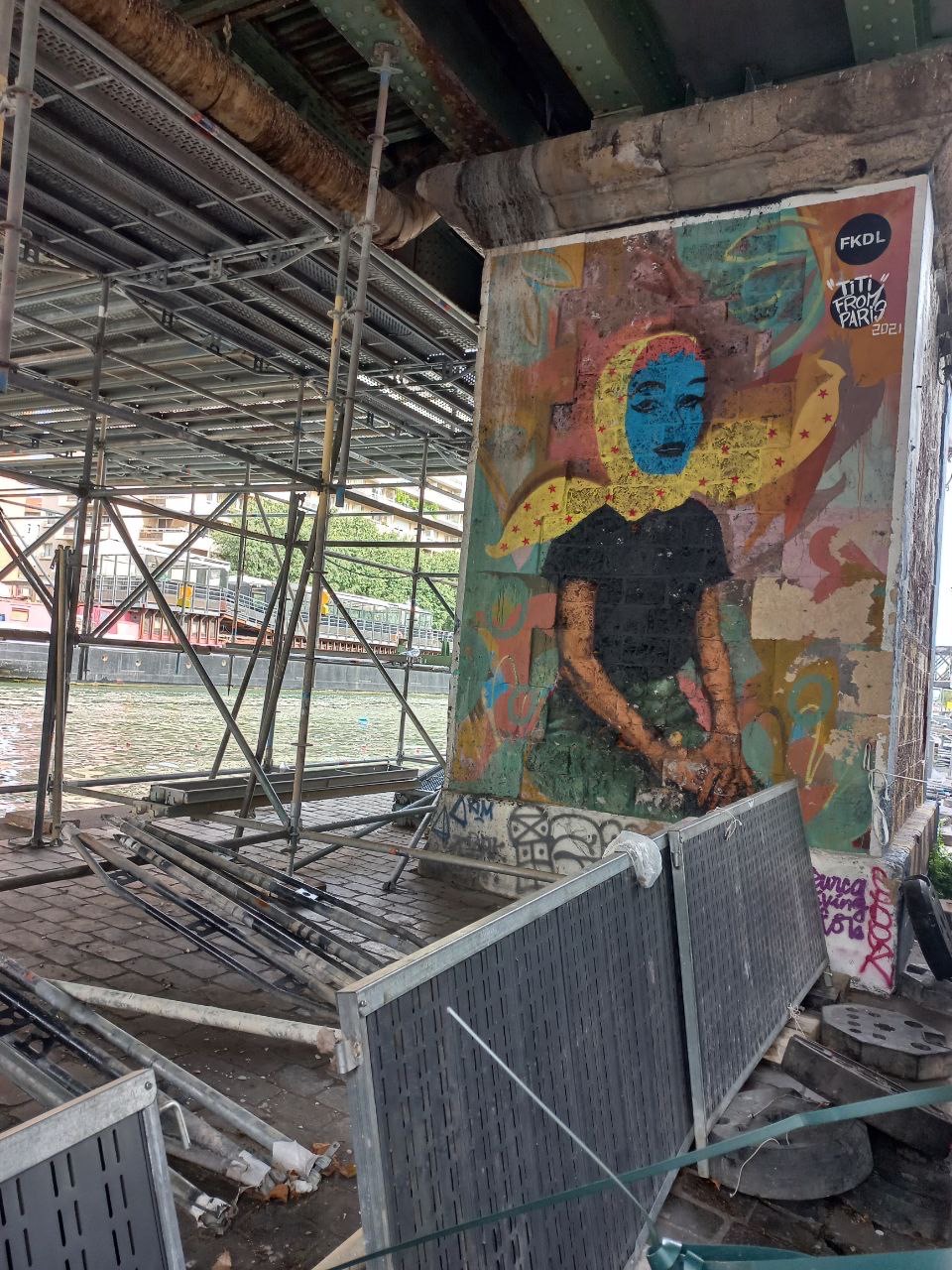
Our first time in Paris together.
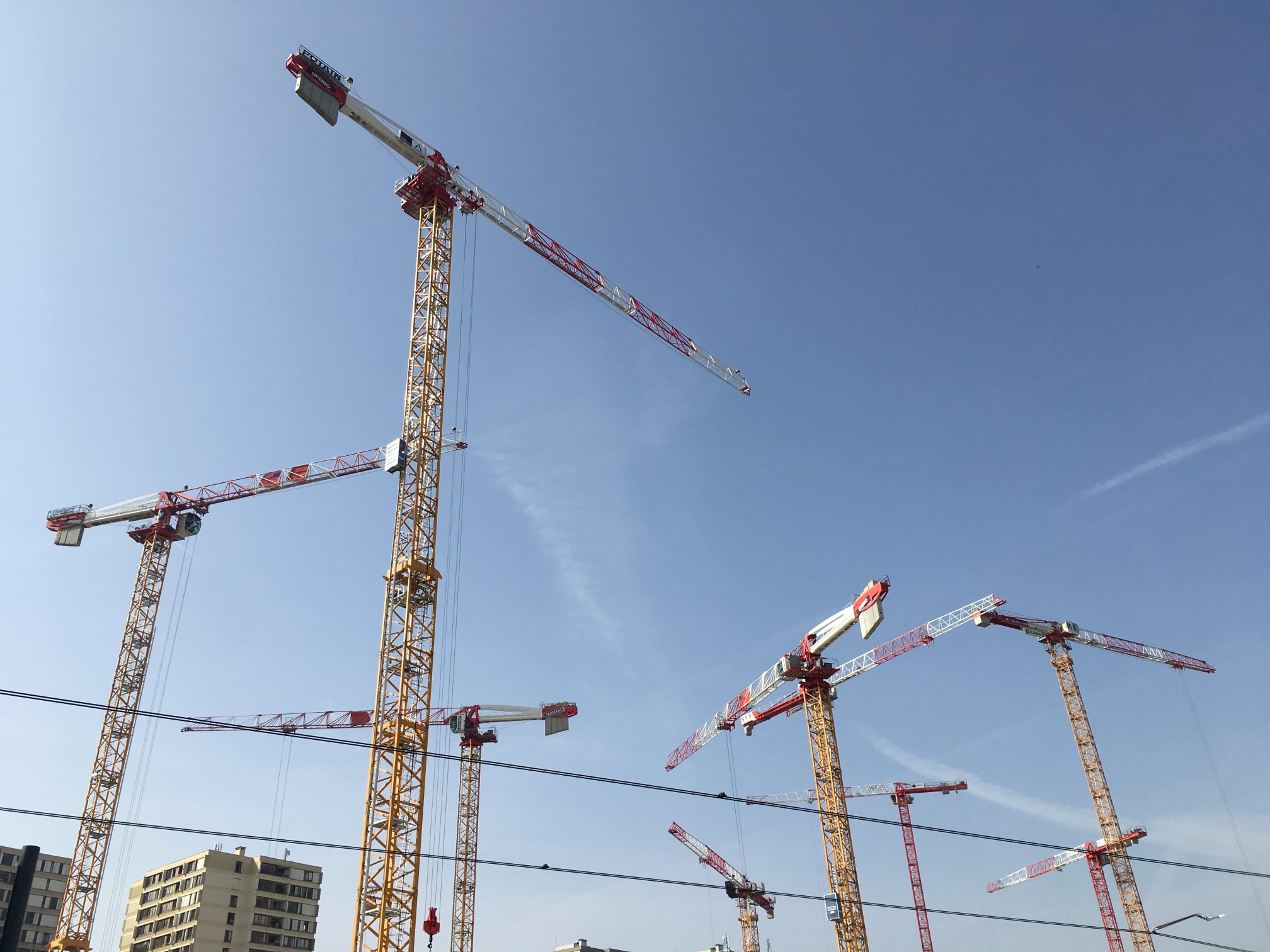
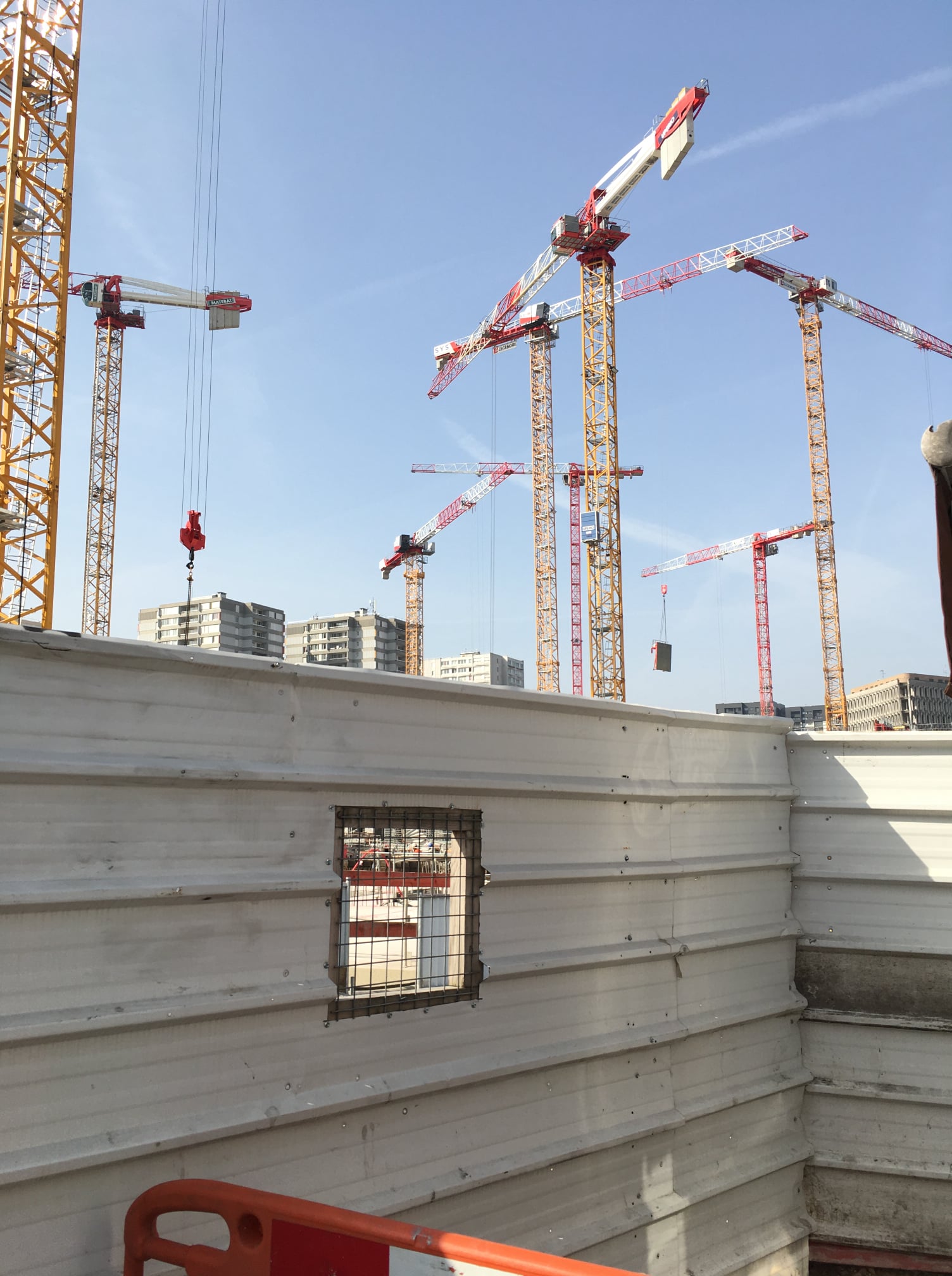
At that specific moment, I knew an entire chapter of my life ended.
~English below~
J’ai pris cette photo en sortant d’une séance chez ma psy, après ne l’avoir pas vue pendant un certain temps. Elle m’a souri franchement et m’a dit « Vous avez l’air d’aller bien ». Victoire ! Victoire ?
Comment on sait quand c’est fini, la dépression, les cachets, la paralysie, l’anxiété ? Comment on sait quand on a remonté la pente, pour de bon ? Est-ce qu’un jour, les choses sont vraiment derrière nous ?
Cela fait quelques temps qu’effectivement, je me sens bien. Alors, dans les jours un peu moroses, j’ai peur que ça revienne, qu’une fois encore je ne puisse pas sortir de mon lit, que les jours qui suivent pèsent des tonnes. Tout cela n’était donc qu’un leurre ? Un répit de courte durée ?
Quand est-ce qu’on peut en voir le bout sans avoir à douter du tout ?
—ENGLISH
I took this photo after a session with my therapist, after a long time. She smiled at me genuinely and said, “You seem to be doing well.” Hurrah! Hurrah?
How do we know when it’s over, the depression, the meds, the paralysis, the anxiety? How do we know when we’ve really climbed back up, for good? Will things ever really be behind?
It’s been a while since, indeed, I’ve been feeling good. So, on those slightly gloomy days, I’m afraid it will come back, that once again I won’t be able to get out of bed, that the following days will feel like they weigh a ton. Was it all just an illusion? A short-lived break?
When can we truly find closure without having to doubt at all?
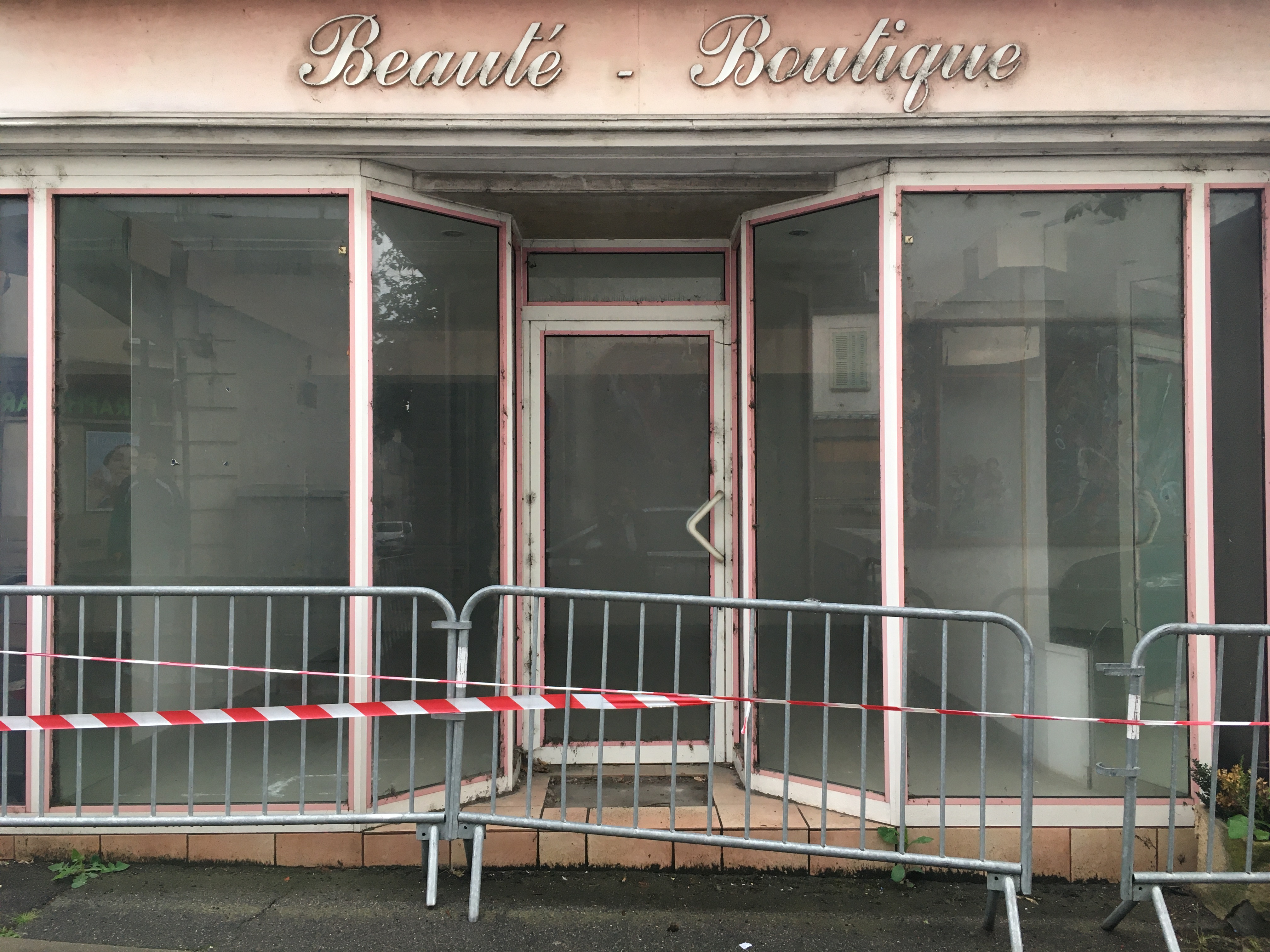
[Beauty under process]
straight lines
curvy lines
~English below~
Il y a de cela une quinzaine d’années, j’ai trouvé un feuillet sur le banc de la salle à manger. « Testament » était écrit sur la couverture, et un portrait de ma grand-mère en guise d’illustration. À l’époque, je n’ai pas osé l’ouvrir. La mort ? Inconcevable.
Le temps a passé : ma mère et ma tante préparent actuellement le décès de ma grand-mère – l’argent, le mobilier : qui prendra quoi, le jours venu ? Les querelles entre les deux sœurs empirent au fil des jours, et la parole de la principale intéressée est souvent balayée – elle perd un peu la tête, il vaut mieux s’en occuper nous-mêmes, disent-elles.
Le mois dernier, je suis retournée dans la maison, celle qui m’a vue grandir, apprendre à faire du vélo, rédiger mon mémoire de master, pleurer une rupture amoureuse. C’était probablement la dernière fois que j’y mettais les pieds. Par hasard, j’ai retrouvé ce feuillet relié d’une spirale en plastique.
Cette fois-ci, j’ai osé le lire. La mort avait déjà frappé à la porte de notre demeure familiale. Y penser me glaçait encore le sang de temps à autres, mais nous nous étions davantage apprivoisées, elle et moi. Il était temps. Dans le maigre testament, rien d’autre qu’un poème. J’y ai lu ces mots :
(…)
Je lègue à mes enfants
Un impérieux devoir :
Reprendre pied Revivre
Ne pas désespérer
-poème de Georges Haldas, La Blessure Éternelle
—ENGLISH
About fifteen years ago, I found a piece of paper on the dining room table. The word ‘Will’ was written on the cover, accompanied by a portrait of my grand-mother. At the time, I did not dare to open it. Death? It was unthinkable.
Years went by, and now my mother and my aunt are preparing for my grand-mother’s passing – sorting out money, furnitures: who will take what when the time comes? The arguments between the two sisters grow worse with each passing day, and the voice of the person most concerned is often dismissed – ‘She is losing her mind, better we handle it ourselves’, they say.
Last month, I went back to the house, the place where I grew up, learned to ride the bike, wrote my master’s thesis, cried over a breakup. It was probably the last time I would set foot there. By coincidence, I came across that piece of paper, bound with a plastic spiral.
This time, I finally dared to read it. Death had already knocked on the door of our family home. The thought of it still made my blood run cold from time to time, but we had become more familiar with eachother, Death and I. It was time. In the sparse will, there was nothing but a poem. I read these words:
(…)
I leave to my children
A solemn duty:
To regain their footing
Revive
To never give into despair.
-poem from Georges Haldas, The Eternal Wound
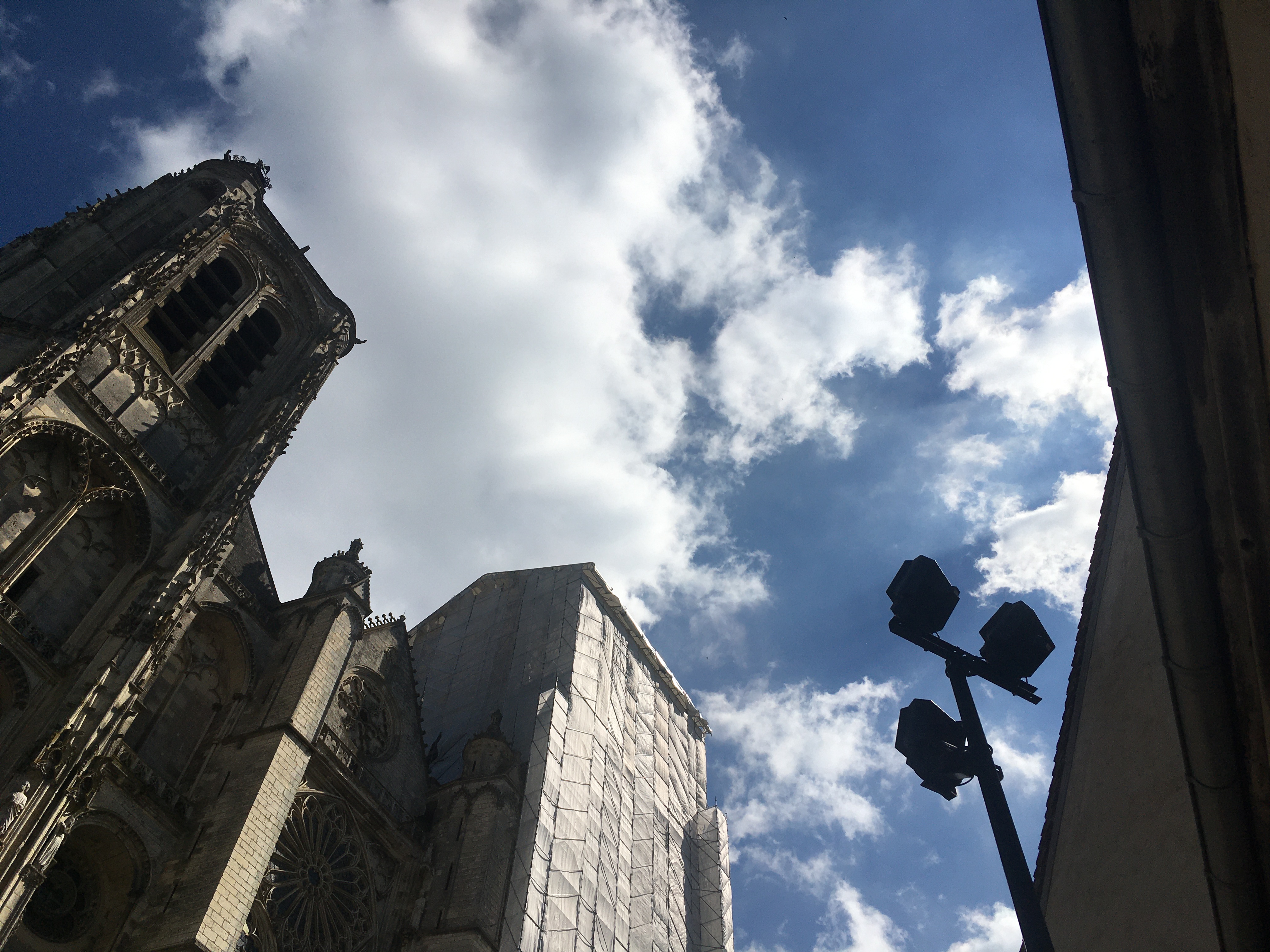
This trip made me feel like
a piece of the puzzle
was back
in place.
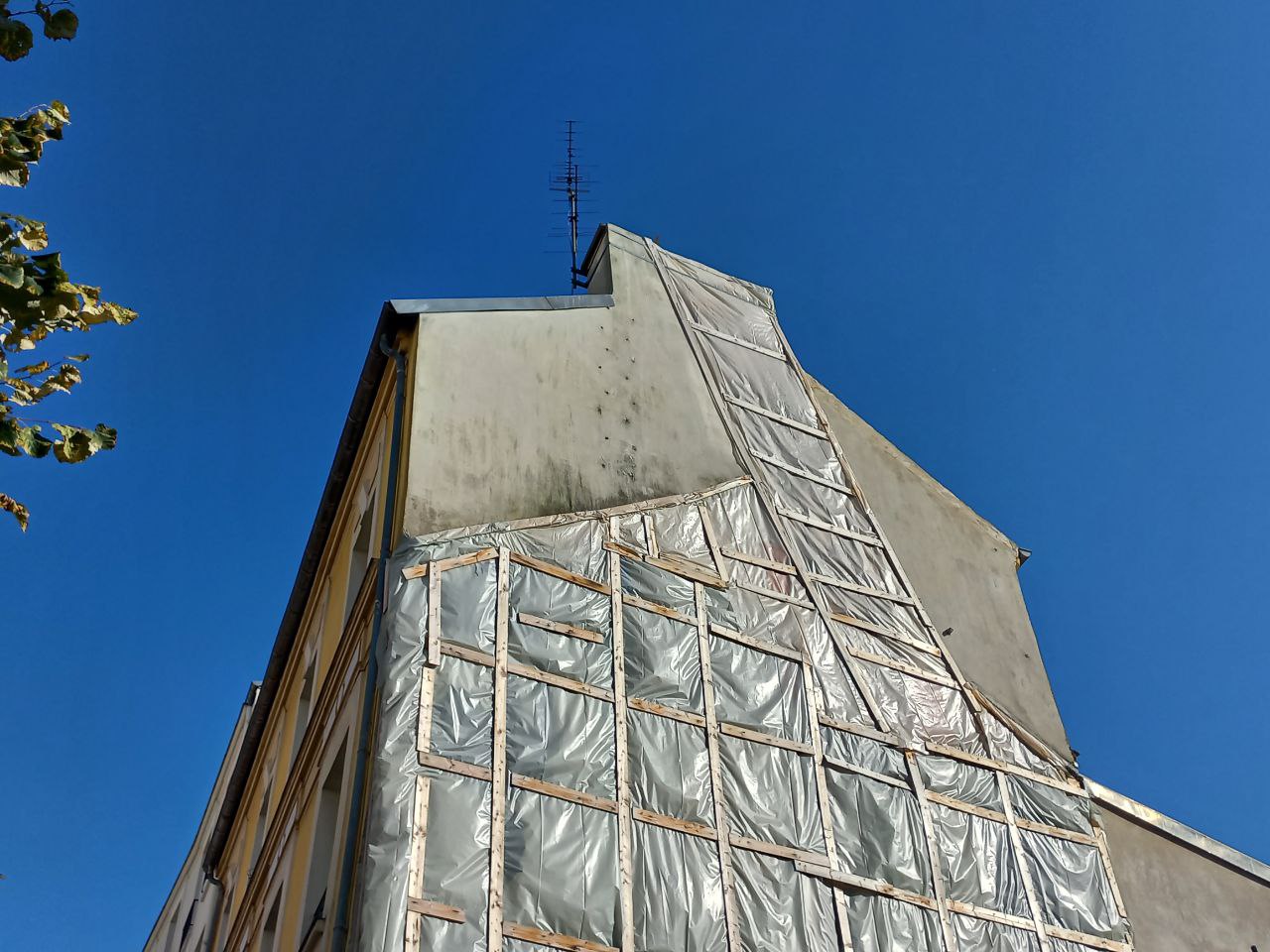
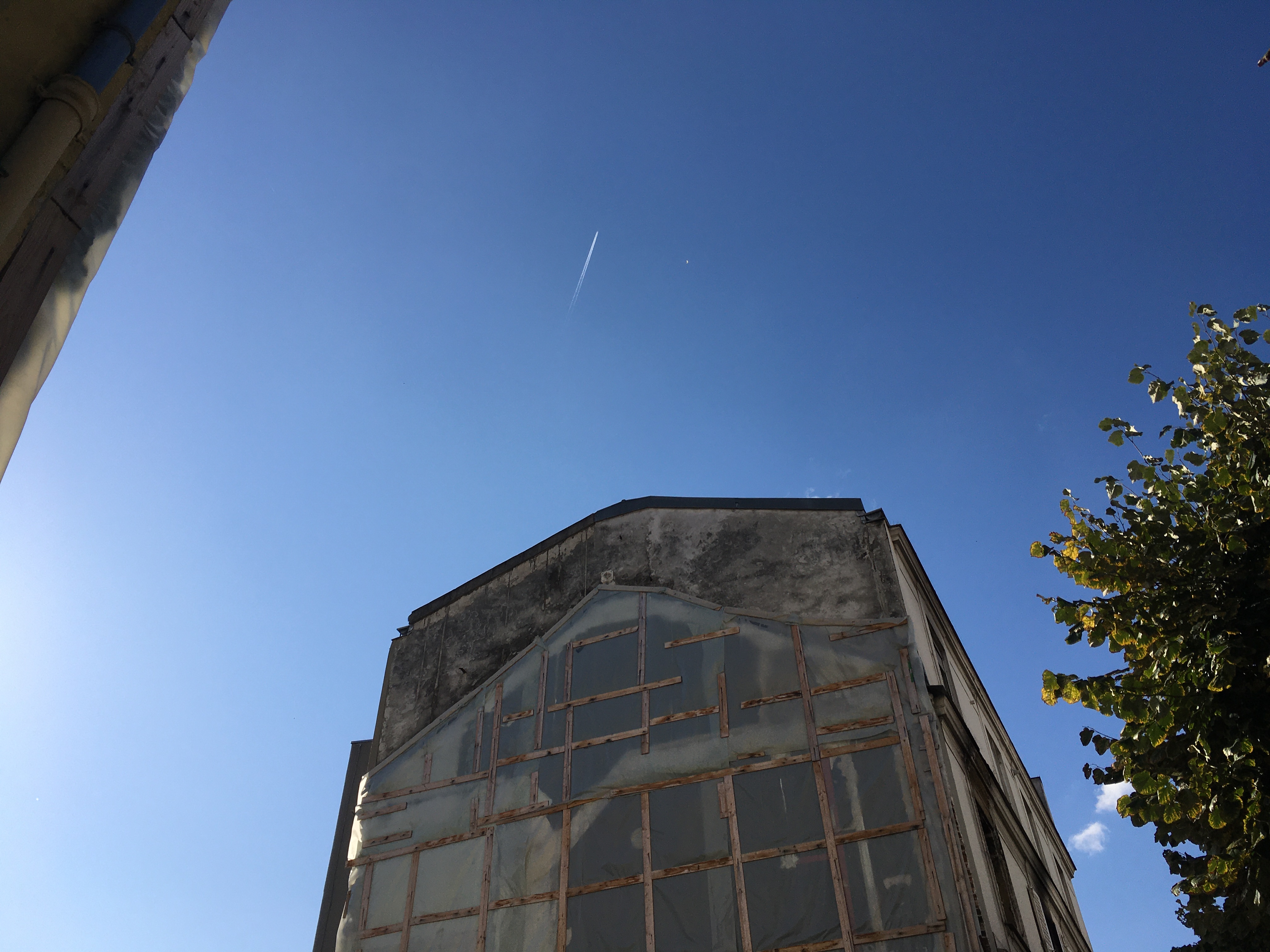
À fleur de peau.
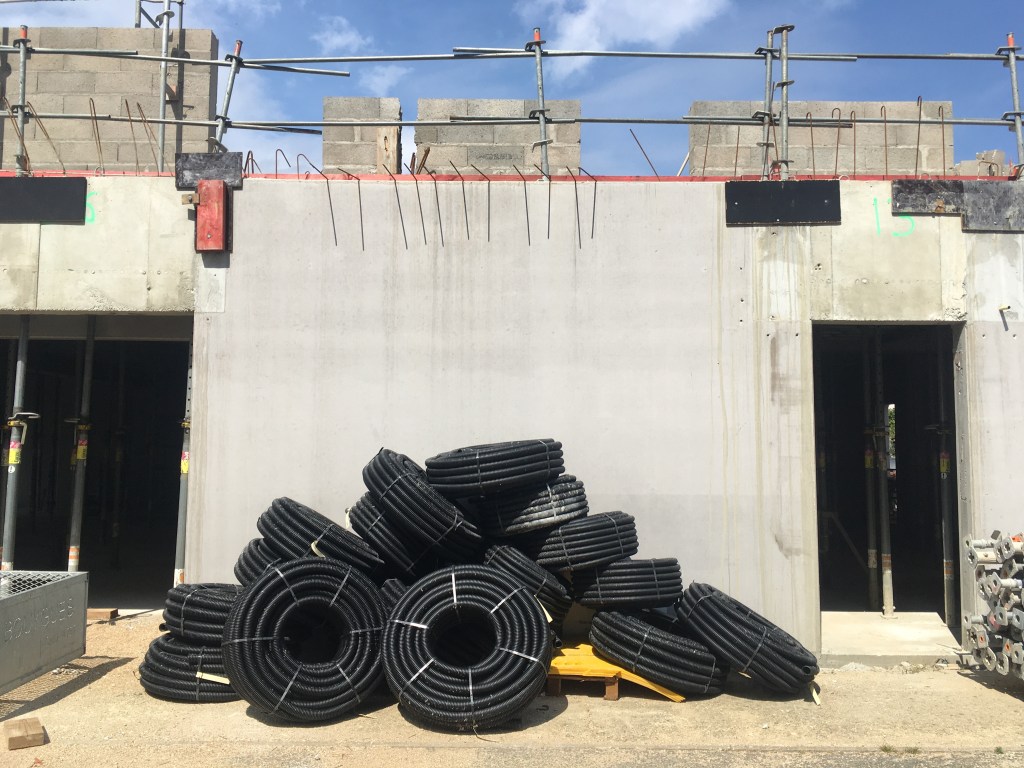
~English below
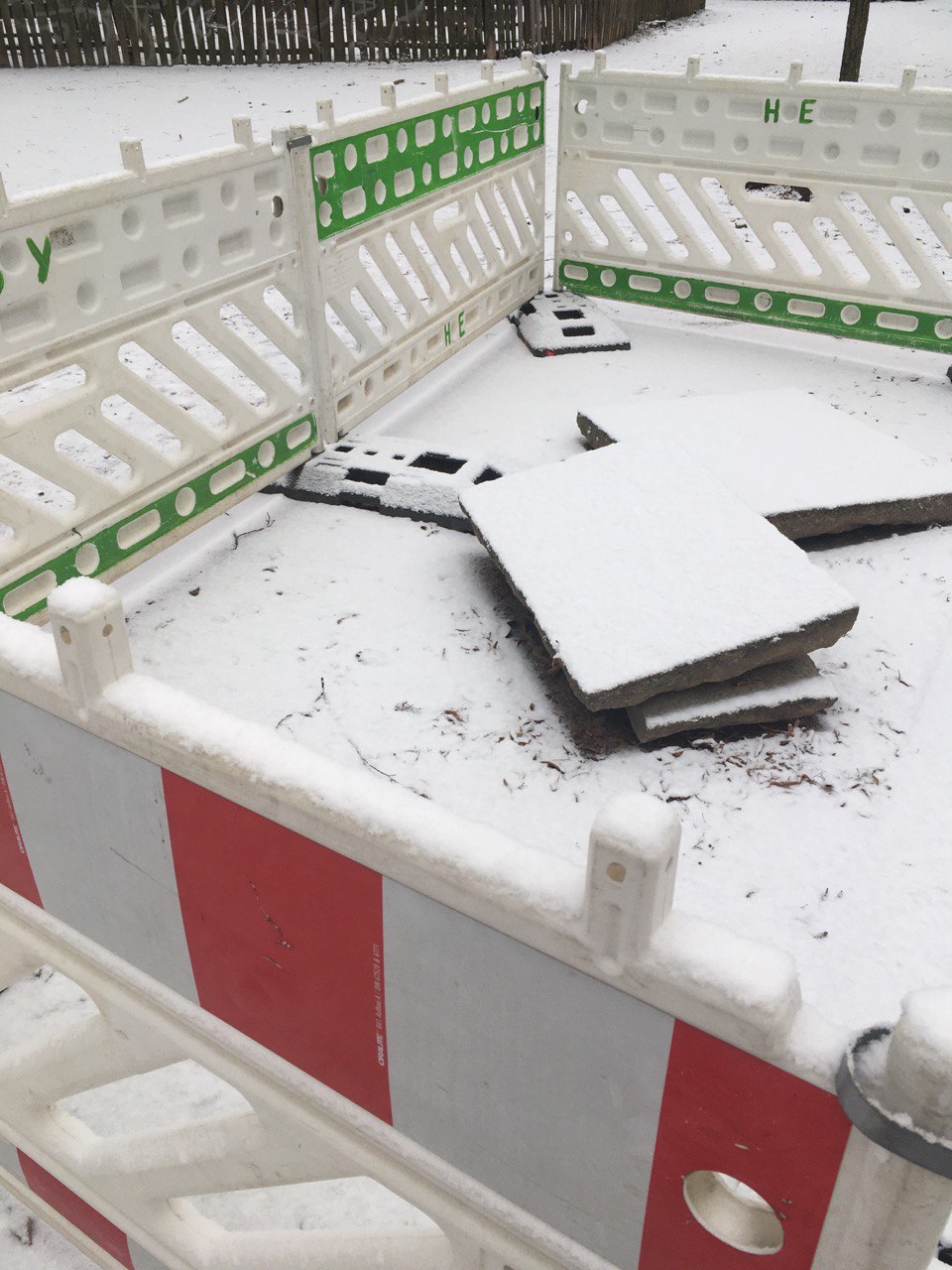
La veille de ta crémation, nous sommes allés nous balader dans Blois, Anna, Louise, Pierrot et moi. En chemin, dans l’autoradio, FIP passait « Galaxies like grains of sand » de Hampshire and Foat. Il m’arrive de l’écouter parfois, et de penser à cette journée. C’était assez inédit, d’être là tous les quatre réunis par l’épaisseur de nos silences. Le ciel était gris et lourd. La Loire ? Agitée, chargée d’eau troublée. Je me souviens du vent sur mon visage balayé par l’accueil de mes larmes.
—ENGLISH
The day before your cremation, we took a walk in Blois -Anna, Louise, Pierrot, and I. On the way, the car-radio was playing ‘Galaxies like grains of sand’ by Hampshire and Foat. I still listen to it sometimes and think of that day. It felt strange, all four of us together, bound by the weight of our silence. The sky was heavy and gray. The Loire river? Restless, filled with muddy waters. I remember the wind on my face, mixed with the warmth of my tears.
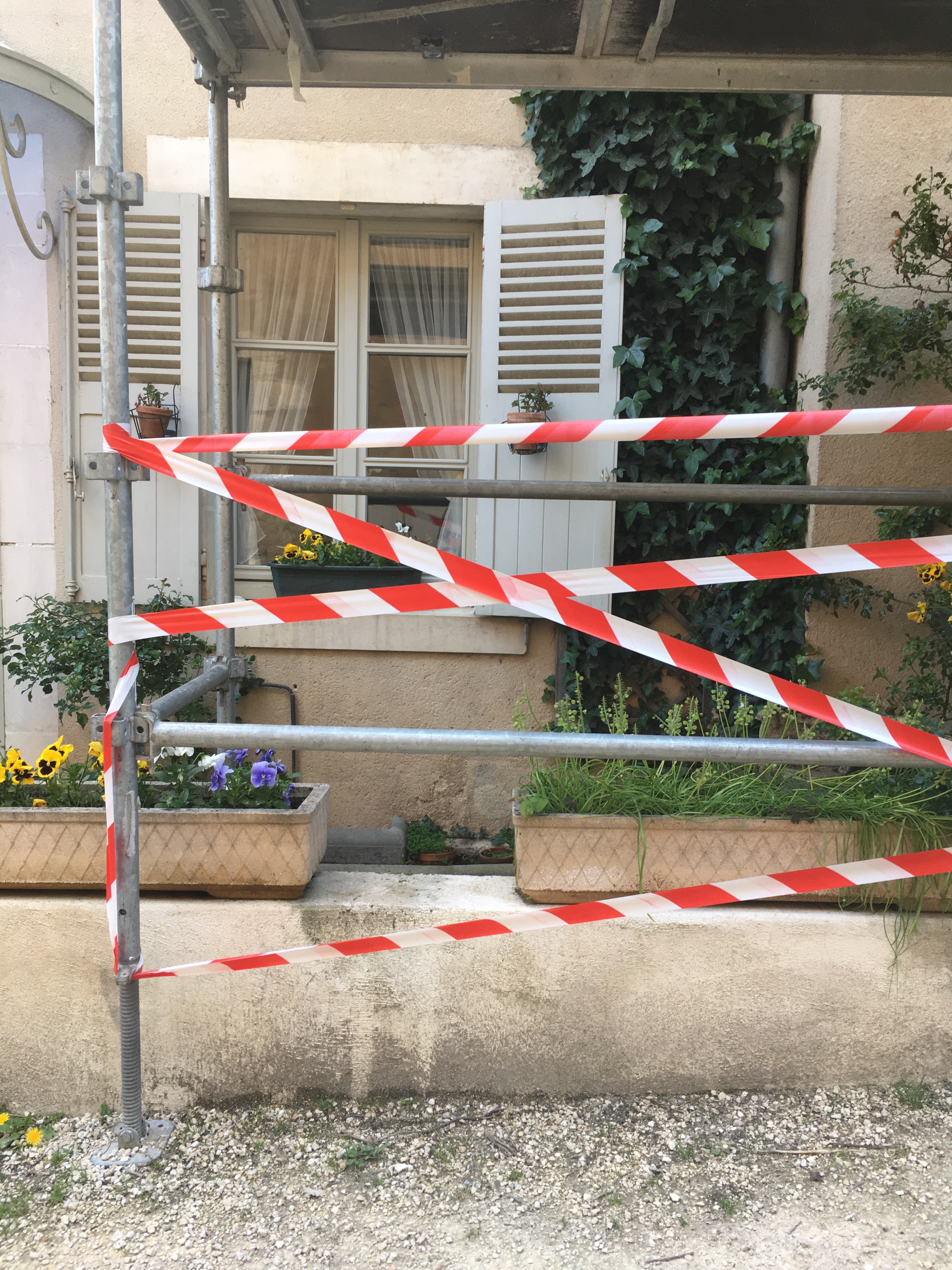
~English below~
(1/2)
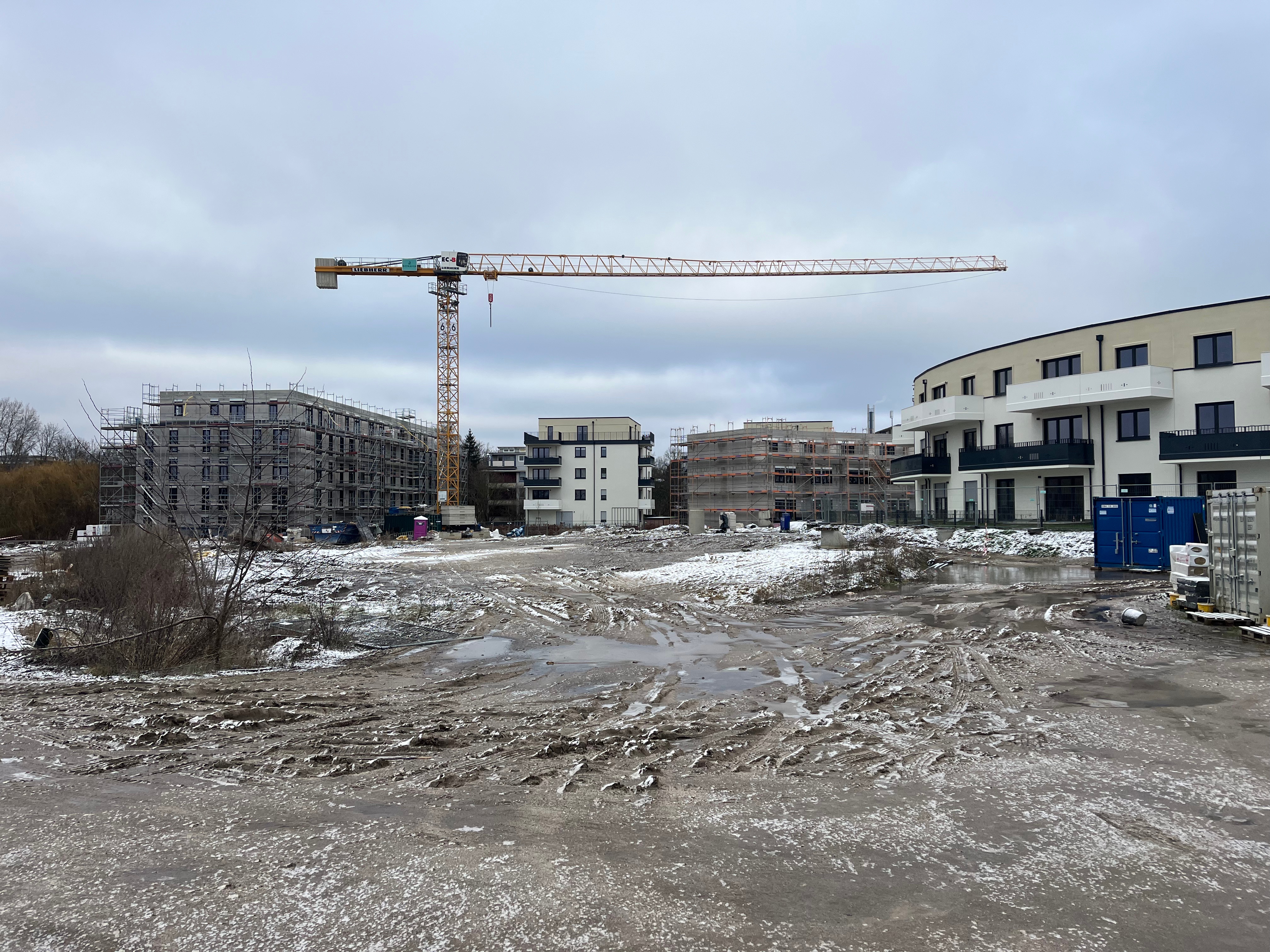
J’ai mis quelques jours à la voir, la neige, à l’apprécier. Pas envie de mettre le nez dehors. Et puis un jour, dans la fraîcheur de la matinée, j’ai reconnu le parfum d’une partie de mon enfance à tes côtés. Je me suis souvenue. Le bruit des pas qui crissent, les remontées mécaniques, les barres de céréales en haut des pistes, le claquement des chaussures de ski sur le béton du parking, la navette, les visages rougis par le soleil et l’effort, le son du clocher, les tartines au petit-déjeuner. Dès lors, je ne manque pas une occasion de susciter des éclats furtifs de ta présence. Je guette les derniers flocons qu’hélas j’entends fondre déjà le long des gouttières. Je presse mon enthousiasme.
—ENGLISH
(1/2)
It took me a few days to really see the snow, to enjoy it. I didn’t feel like going outside at first. But one morning, in the crisp air, I caught the scent of a part of my childhood with you. Memories flooded back. The crunch of footsteps on the snow, the ski lifts, the cereal bars at the top of the slopes, the clatter of ski boots on the concrete, the shuttle rides, the faces flushed from the sun and the effort, the sound of the church bell, the toasts at breakfast. Since then, I haven’t missed a chance to grasp furtive flashes of your presence. I watch for the last snowflakes, which I sadly already hear melting along the rain gutters. I urge my enthusiasm.
~English below~
(2/2)
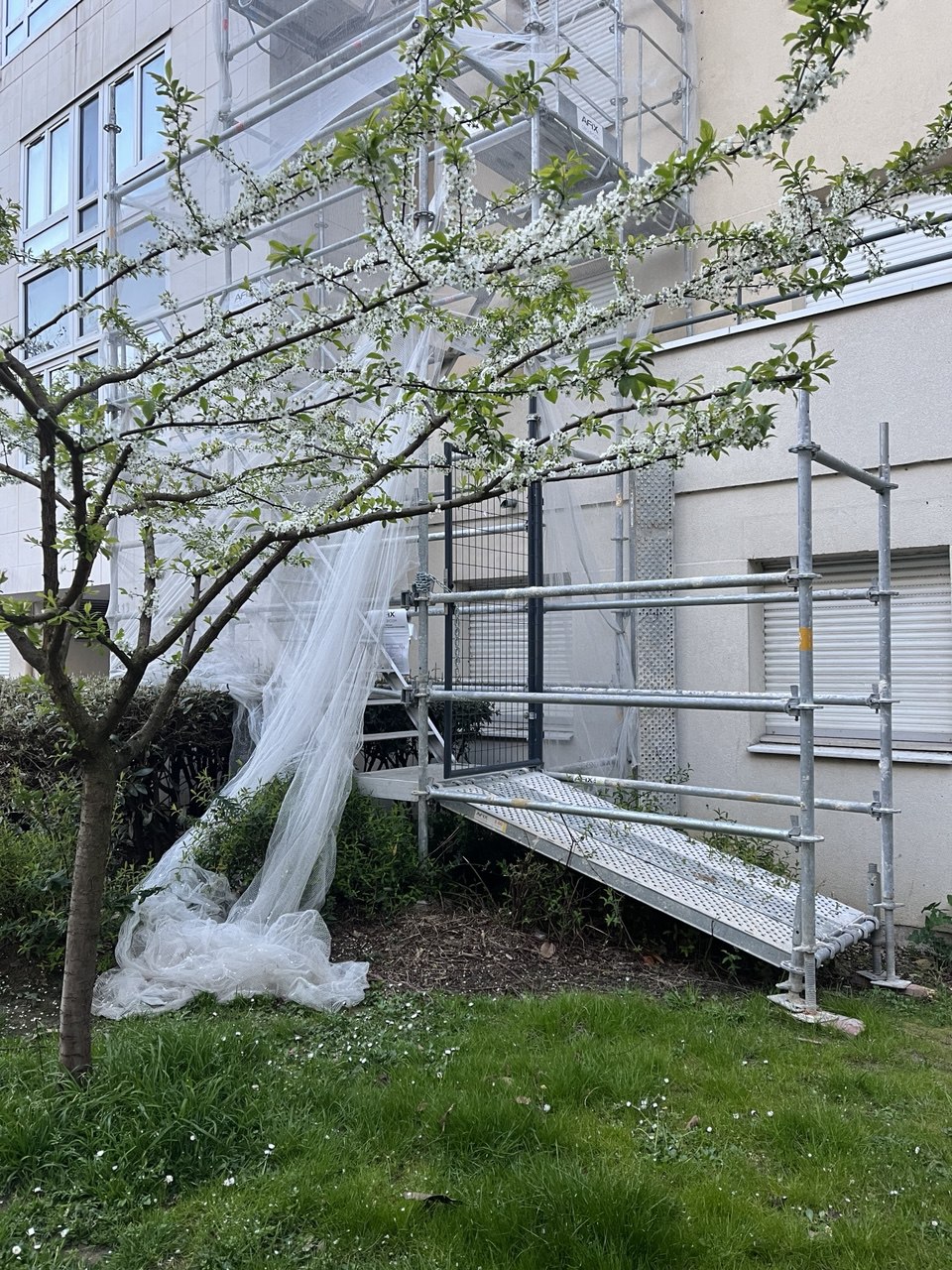
Désormais, nos pieds pataugent dans la soupe. La ville se découvre de son beau manteau blanc pour nous révéler à nouveau ses tristes avenues cernées de bâtiments discordants. Une fine couche de crasse recouvre les petits talus de neige, dans lesquels se mêlent désormais la boue, les graviers, les mégots et l’ennui. Ça sent les pots d’échappements et l’amertume d’une fête trop vite écourtée. La fin des vacances.
—ENGLISH
(2/2)
Now our feet wade through the slush. The city has lost its white coat, showing its dull streets and mismatched buildings again. The snow is dirty, mixed with mud, gravel, cigarette butts, and boredom. It smells of car fumes and the sadness of holidays ending too soon.
Dans la tristesse, tout semble beau.
~English below~
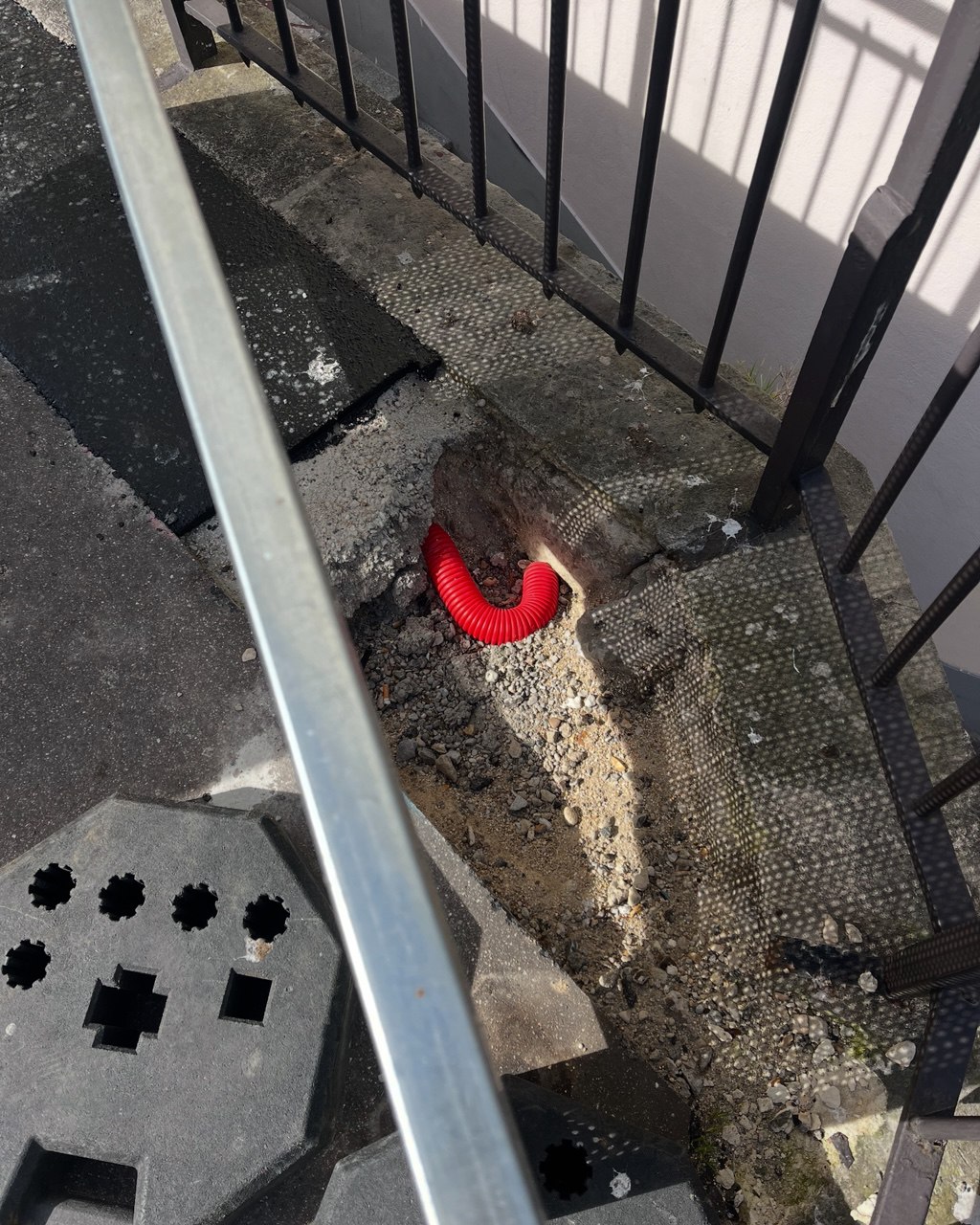
Aux obsèques, j’ai lu certains passages d’un livre que je lisais pendant la traversée en bateau. Alors que mes journées à bord étaient empreintes de larmes et de détresse, la poésie du texte m’avait permis de me raccrocher à une forme de beauté, de lumière. De fait, il s’agit du journal d’un gardien de phare. Le mois dernier, j’ai pensé que certains passages correspondaient bien aux tourments de mon capitaine.
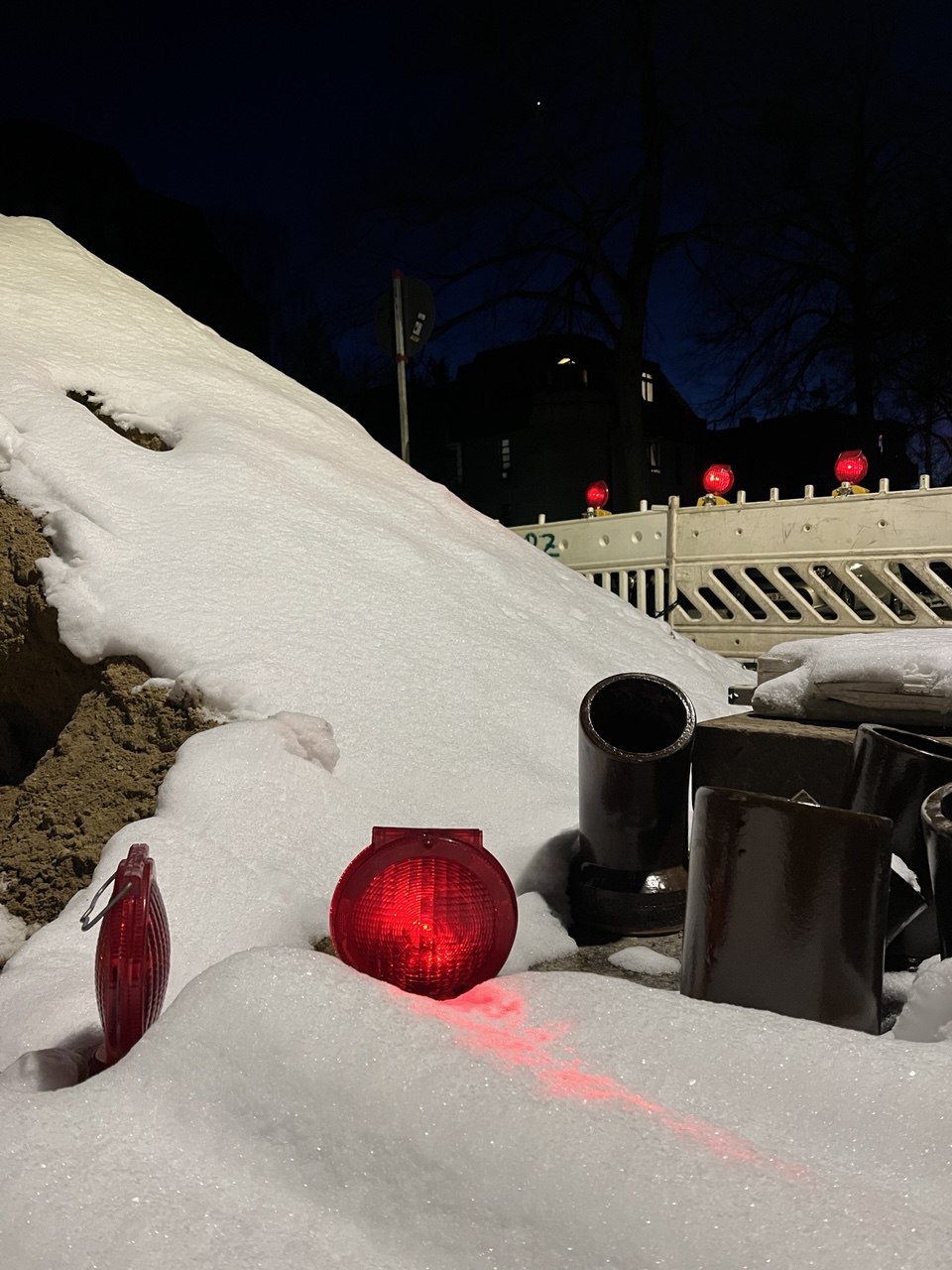
(1/4)
Inadmissible. Je ne sais pas pourquoi la vie se fait sans moi ailleurs. On a dû me cacher quelque chose d’important. Je me tiens à cet établi de vieux bois, je remonte une fois encore le courant vers ma lampe, pourquoi faire, mais pourquoi faire ? Il y avait sûrement des regards pour moi, éparpillés dans ce monde. Ah ! encore maintenant, je marcherais sur les mains pour revenir, si cela se pouvait.
–ENGLISH
At the funeral, I read a few passages from a book I had been reading during the boat journey. While my days on board were filled with tears and distress, the poetry in those pages had offered me a lifeline, a glimpse of beauty and light. In fact, this is the journal of a lighthouse keeper. Last month, I realised how some of those words seemed to reflect the torment of my captain.
(1/4)
Unacceptable. I don’t know why life goes on without me somewhere else. They must have hidden something important from me. I stand at this workbench of old wood, once more fighting the current as I move toward my lamp – why, what for? Surely there were eyes for me, scattered through this world. Ah! Even now, I would walk on my hands to return, if only it was possible.
“Armen”, Jean-Pierre Abraham, 1967
~English below~
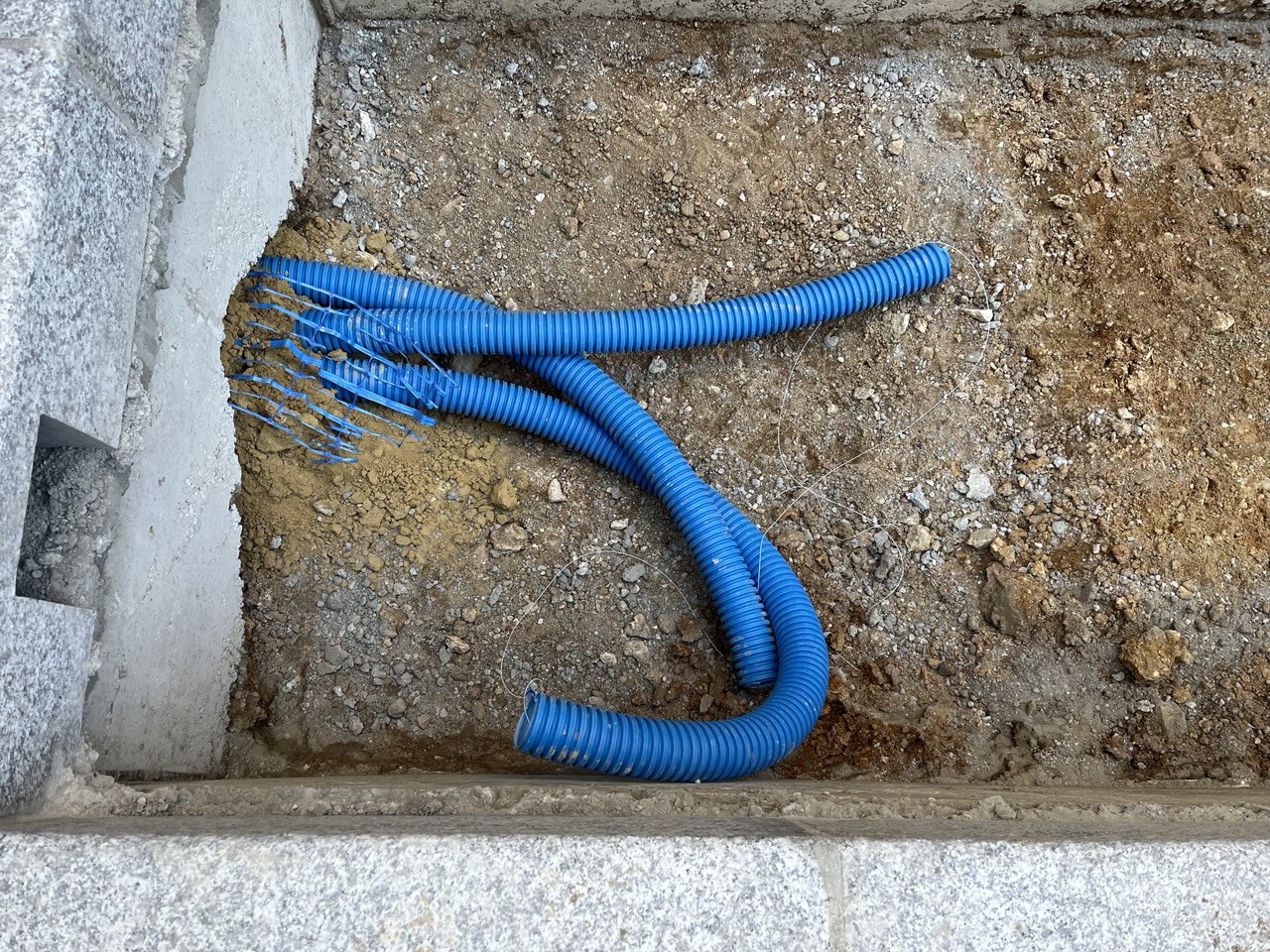
(2/4)
Cette lampe, ronde, paisible, ronde. La flamme demeure parfaitement immobile dans le bruit. Elle semble mener, très loin, une vie cruelle et sereine. À la regarder longtemps, ne peut-on gagner une sorte de sérénité ? Mais je n’en veux pas. Je suis dans le cercle. La lampe me tient. Pris à la lumière, cerné, exposé, dans l’arène. Un fameux miroir ! Qui pourrais-je y voir ? Ça ne sera pas un inconnu.
(…) Parfois dans le cœur vide, rincé de toute image, s’allume toute seule une autre lueur, comment le dire : la ferveur, peut-être. J’aime violemment cette vie, je veux toucher sa peau, sa vraie peau sans oripeaux. J’ai soudain l’impression que c’est très simple.
Je voudrais un jour, avec juste les mots, dire cette simplicité. Toutes les grimaces en moi n’auraient plus d’importance.
–ENGLISH
(2/4)
This lamp, round, peaceful, round. The flame remains completely still amid the noise. It seems to live a cruel and serene life, far away. If I stare at it long enough, can I not find some kind of serenity? But I don’t want that. I’m inside the circle. The lamp has me. Trapped in the light, surrounded, exposed, in the arena. A strange mirror! Who would I see there? It won’t be a stranger.
(…) Sometimes, in the empty heart, drained of all images, another glow appears on its own, how to put it… fervor, perhaps. I love this life with intensity, I want to touch its skin, its true skin, free of any pretense. Suddenly, it seems so simple.
One day, I would like to express that simplicity with only words. All the masks inside me would fade away.
“Armen”, Jean-Pierre Abraham, 1967
~English below~
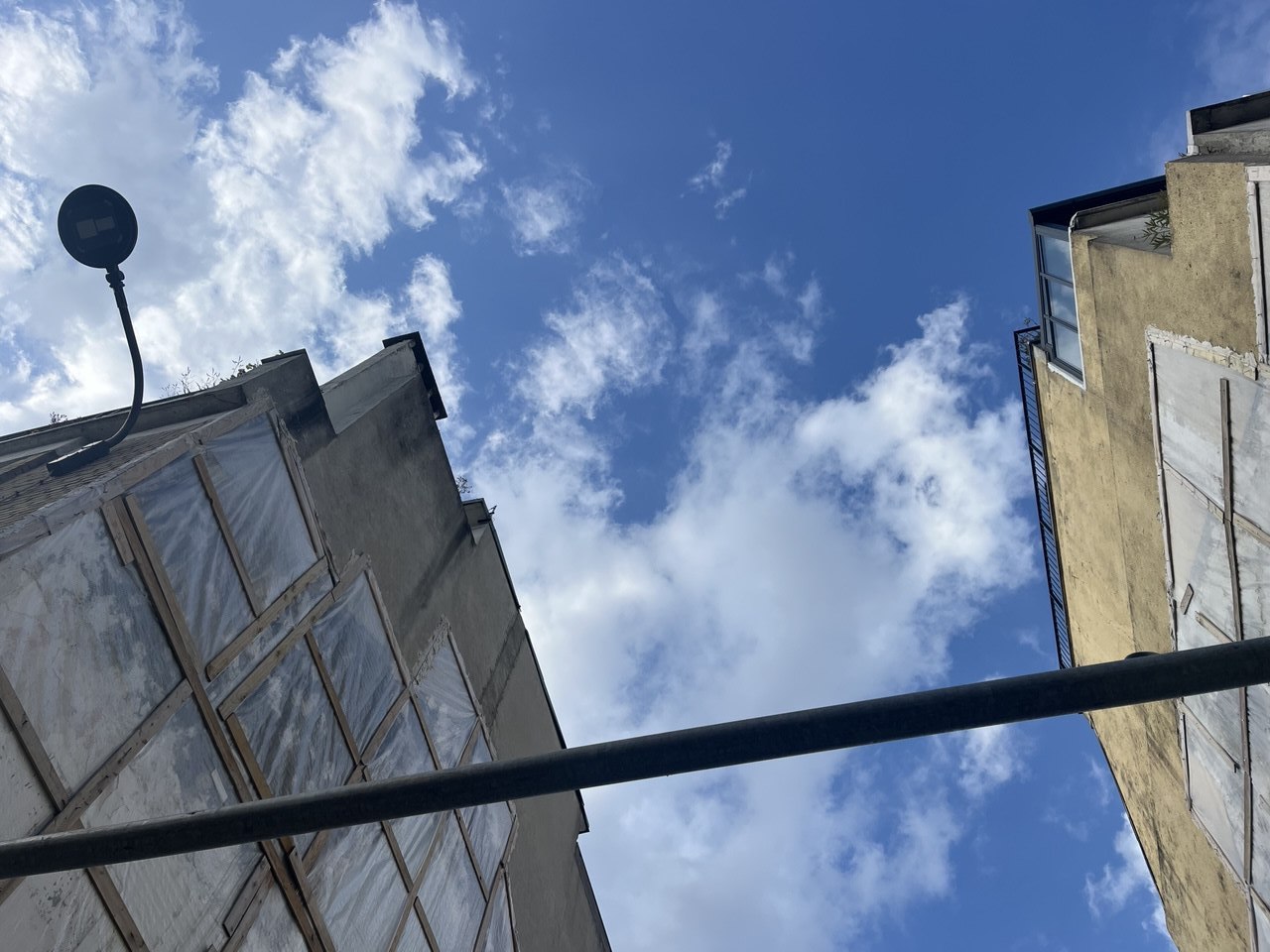
(3/4)
Une houle inconnue naissait en moi, avec ses crêtes et ses creux, mouvements qui m’ont surpris. Je ne me savais pas capable d’atteindre sans raison d’un jour sur l’autre, puis d’une heure à l’autre, des extrêmes aussi déconcertants. Je me suis habitué. Ce furent tout de même des moments pénibles.
–ENGLISH
(3/4)
An unfamiliar surge was rising within me, with its highs and lows, movements that took me by surprise. I didn’t know I was capable of reaching, without reason, from one day to the next, then from one hour to the next, such bewildering extremes. I got used to it. Still, those were difficult moments.
“Armen”, Jean-Pierre Abraham, 1967
~English below~
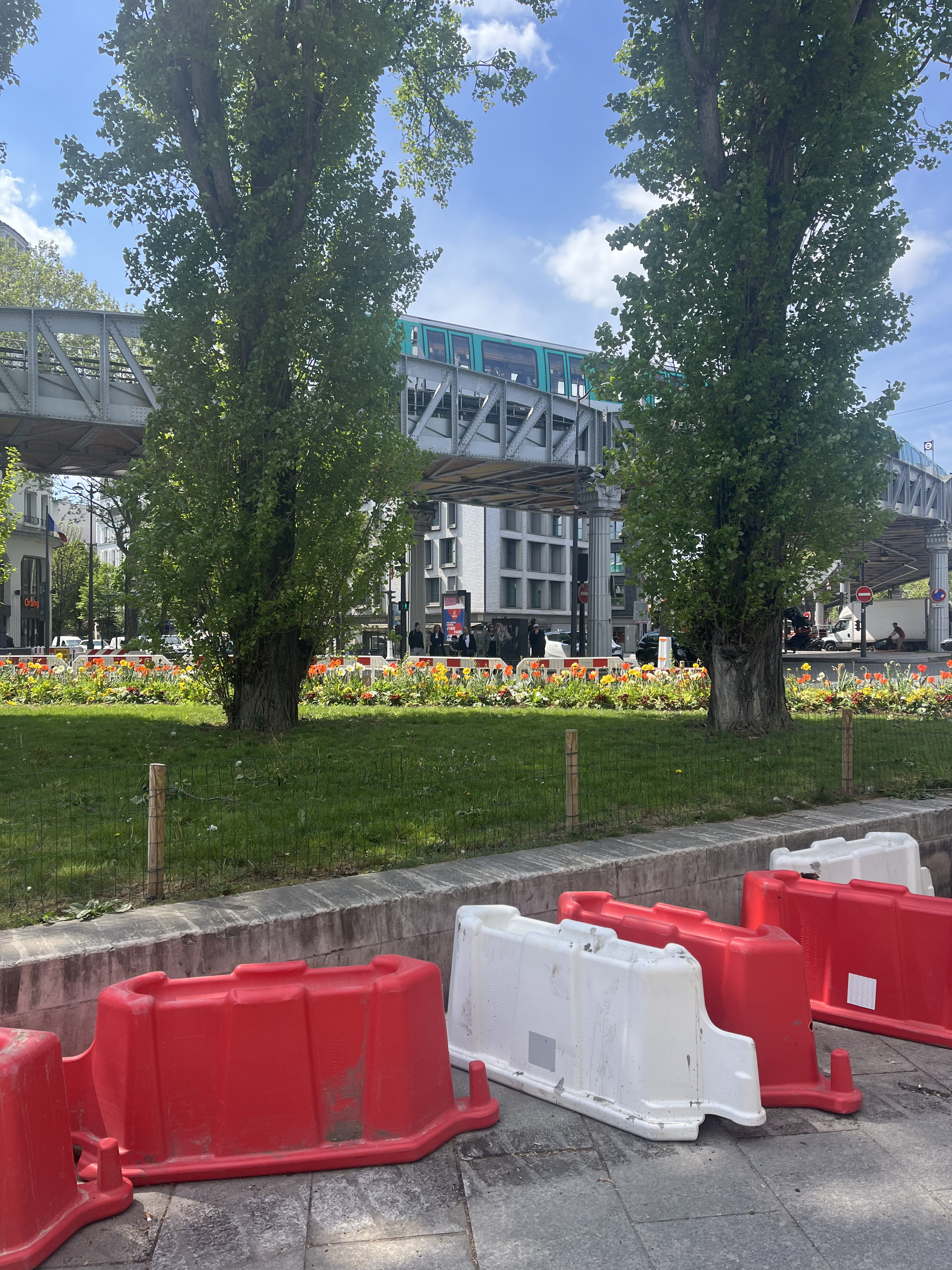
(4/4)
Il y a toujours une vague plus forte que les autres, que toutes les autres, et qui survient au moment où l’on ne s’y attend plus. Mais nous savions que le phare tiendrait. Il nous fallait être ensemble, simplement.
–ENGLISH
(4/4)
There’s always a wave stronger than the others, stronger than all the others, which comes when you least expect it. But we knew the lighthouse would stand. What mattered was simply being together.
“Armen”, Jean-Pierre Abraham, 1967
— Paris sera toujours Paris —
One never knows when is the very last walk one takes with somebody one loves.
 mental metal